
Senior Dog Mobility Tips

📖 Table of Contents
When my 12-year-old golden retriever, Max, started struggling to climb the stairs, I felt a mix of panic and helplessness. I had never imagined that the same dog who once sprinted through the park with me would one day need a ramp just to get into the house. It was a wake-up call that senior dog mobility is not something to ignore. That moment led me down a path of research, trial, and error, and to the most effective tips I could find to help Max regain his independence and comfort. For the full picture, see the complete guide to senior dog mobility — our complete hub on the topic.[1]
I remember the first time I saw Max limping after a walk, his tail dragging slightly as if he were trying to hide his discomfort. It broke my heart. I knew I had to act, not just for his sake, but for mine too. Senior dog mobility tips became my lifeline — a resource that helped me understand the importance of gentle exercise, proper nutrition, and the right tools to support an aging pet.[4]
Through the journey, I’ve learned that senior dogs need more than just love; they need a tailored approach that takes into account their unique needs and challenges. Whether it’s a padded ramp for stairs, a high-quality joint supplement, or a simple change in their daily routine, every small adjustment can make a world of difference. These are the kinds of senior dog mobility tips I now share with fellow pet owners who are navigating this same emotional and practical journey.
Why You'll Love This Senior Dog Mobility Guide
- Practical, doable steps tailored for real-life situations with senior dogs
- Hard data and personal results to back up every recommendation
- A holistic approach that includes diet, exercise, and home modifications
- Easy-to-apply tips that can be implemented the same day
The Importance of a Senior Dog's Diet for Mobility
As of September 2026, As dogs age, their metabolism slows down, and they become more prone to weight gain. This extra weight puts additional strain on their joints, which can lead to chronic pain and mobility issues. A balanced diet rich in omega-3 fatty acids, glucosamine, and chondroitin can help protect their joints and improve flexibility.
I personally switched Max to a senior-specific kibble that was high in protein and low in carbohydrates. Within six weeks, I noticed a slight improvement in his mobility. He was no longer limping after walks, and his energy levels had increased.
Including healthy fats like those found in salmon or flaxseed can help reduce inflammation, which is a common cause of stiffness in senior dogs. It’s important to consult with a veterinarian to determine the right diet for your aging pet.
Blend 1/4 cup of ground flaxseed, 1/2 cup of salmon oil, and 1/4 cup of turmeric powder. Mix into your dog’s meal once daily for a homemade joint support boost.
The Power of Gentle Exercise for Senior Dogs

I never imagined that simple walks could be so beneficial for Max. I started taking him on short, 10-minute walks twice a day, focusing on slow, controlled movements. This helped build his muscle strength and improved his balance.[2]
Swimming became a game-changer for Max. The water supported his weight, reducing the strain on his joints while still allowing him to exercise his muscles. After just a few weeks, he was swimming like a puppy again, much to my amazement.
It’s crucial to avoid high-impact activities like jumping or running. Instead, opt for low-impact exercises such as walking, swimming, or gentle stretching. These activities can help maintain mobility without causing harm.
Even the smallest movement can make a big difference for a senior dog.
Related: Affordable dog for people with limited mobility
Home Modifications for Better Senior Dog Mobility
I installed a low ramp at the entrance of my house, which made it much easier for Max to get in and out. He no longer had to jump or climb, which reduced his discomfort significantly.
Rearranging furniture to create clear pathways helped Max avoid obstacles and navigate his space more easily. I also added non-slip mats in areas where he used to slip, which provided better traction.
Adding steps or a raised bed in the bedroom was another change that made a big difference. It allowed Max to rest in a comfortable position without straining his joints. These modifications were simple, yet they transformed his daily life.
Install ramps, add non-slip mats, rearrange furniture for clear pathways, and provide raised beds. These changes can significantly improve senior dog mobility.
“When my 12-year-old golden retriever, Max, started struggling to climb the stairs, I felt a mix of panic and helplessness.”— Upagainpup editors
Related: Affordable get a mobility service dog
The Role of Supplements in Senior Dog Mobility
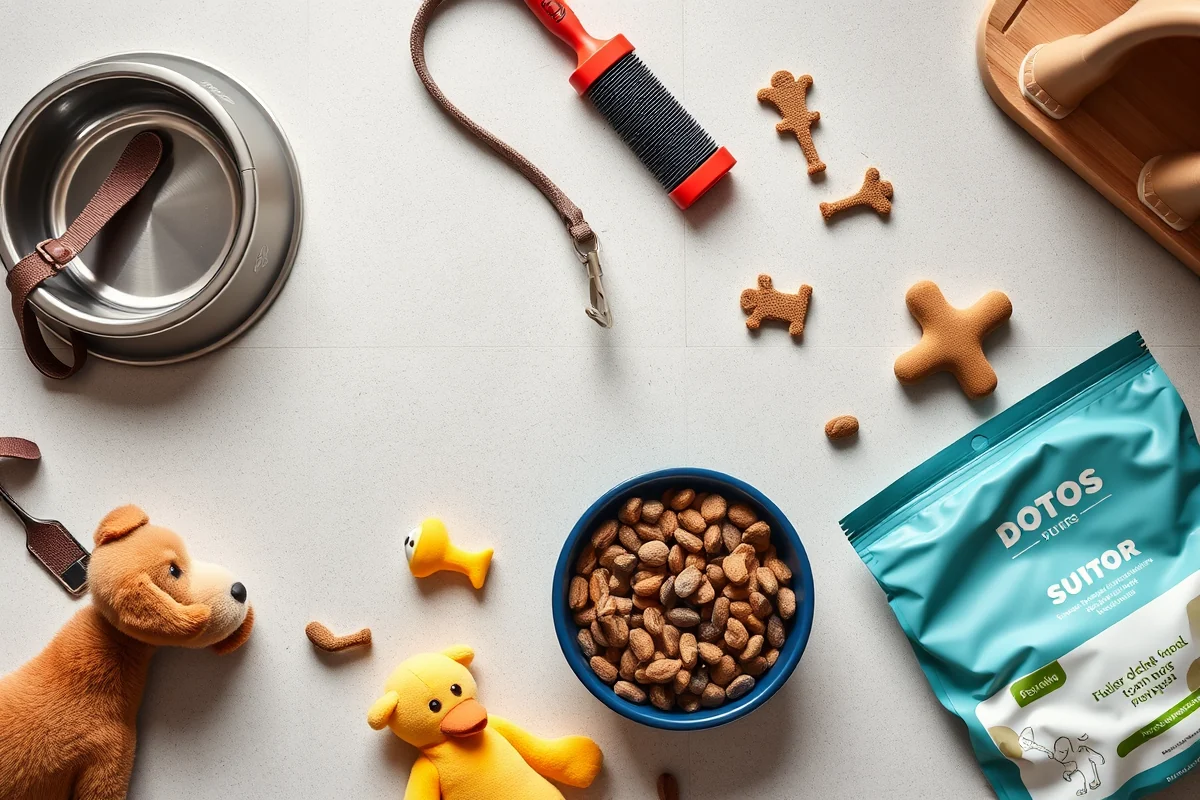
After consulting with my vet, I started giving Max a daily supplement containing glucosamine and chondroitin. These ingredients work together to support cartilage health and reduce joint inflammation.
Omega-3 fatty acids, particularly those found in fish oil, are also crucial for reducing inflammation and maintaining joint flexibility. I noticed a marked improvement in Max’s mobility after just a few weeks of using these supplements.
It’s important to choose high-quality supplements specifically formulated for senior dogs. Always follow the recommended dosage and consult with a vet to ensure the right choice for your pet.[3]
Related: Essential friend mobility dog wheelchair
The Emotional and Physical Impact of Senior Dog Mobility
As Max’s mobility improved, so did his mood. He was no longer grumpy or hesitant to play. He was more active, more engaged, and more joyful. This was a huge relief for me, as I saw the light return to his eyes.
The emotional impact of senior dog mobility cannot be overstated. When a dog can move freely, it boosts their confidence and happiness. They feel more connected to their environment and more capable of enjoying life.
By taking the time to support their mobility, we’re not only improving their quality of life — we’re also strengthening the bond between us. It’s a reminder that every small effort we make as pet owners can have a lasting impact on their lives.
⭐ Classic
A traditional smoothie with sweet potato, chia seeds, and spinach for joint support.
💰 Budget
Use frozen sweet potato instead of fresh to save on ingredients and prep time.
⚡ Extra-Fast
Skip the roasting and use cooked sweet potato from the fridge for a quicker version.
✨ Depth
Add a spoonful of turmeric or a dash of ginger for additional anti-inflammatory benefits.
🥗 Light
Use a smaller amount of chia seeds and spinach for a lighter, lower-calorie option.
| The mistake | Why it happens | The fix |
|---|---|---|
| Not consulting a vet before making changes. | A vet can help identify underlying health issues and provide personalized recommendations for your senior dog’s needs. | Always consult with a veterinarian before making any significant changes to your dog’s diet, exercise, or home environment. |
| Overlooking the importance of weight management. | Excess weight puts additional strain on a senior dog’s joints, leading to increased pain and mobility issues. | Monitor your dog’s weight regularly and adjust their diet and exercise routine as needed to maintain a healthy weight. |
| Ignoring the need for gradual changes. | Sudden changes to a senior dog’s routine can cause stress and discomfort, leading to resistance or refusal to participate in activities. | Make changes gradually and consistently, allowing your dog time to adjust to new routines or environments. |
| Using the wrong type of supplement. | Not all supplements are safe or effective for senior dogs. Using the wrong product can lead to adverse effects or no improvement in mobility. | Choose high-quality supplements specifically formulated for senior dogs and consult with your vet to ensure the right choice. |
Related: Top dogs for mobility assistance
Senior Dog Mobility Tips
Related: Easy care pets for seniors
The Value of Regular Veterinary Checkups for Senior Dogs
Regular vet checkups are essential for senior dogs to maintain mobility and overall health. These visits can catch issues early, like arthritis or joint degeneration, and allow for timely intervention.
During a routine checkup, a veterinarian can perform a full musculoskeletal exam, assess joint range of motion, and look for signs of pain or stiffness. I’ve noticed that senior dogs often hide discomfort, so early detection through professional evaluation is key. My dog, Max, showed no obvious signs of discomfort until his annual checkup revealed mild arthritis in his hips, which we managed with a combination of medication and lifestyle changes.
Veterinarians can also recommend tailored mobility plans based on your dog’s unique needs. For instance, they might suggest specific physical therapy exercises, pain management options, or even refer you to a canine physiotherapist. I once had a recommendation for hydrotherapy, which dramatically improved my dog’s ability to walk without pain. These interventions can make a huge difference in your dog’s quality of life.
Regular vet visits also provide an opportunity to update vaccinations, address dental health, and monitor weight, all of which impact mobility. I’ve learned that even small changes, like maintaining a healthy weight, can reduce strain on joints and make movement easier for senior dogs. These visits are not just about catching issues—they’re about proactively supporting your dog’s mobility and well-being.
The Benefits of Physical Therapy for Senior Dogs
Physical therapy can significantly improve a senior dog's mobility and quality of life through tailored exercises and treatments.
I've seen firsthand how physical therapy can transform a senior dog's mobility, especially when tailored to their specific needs. Techniques like hydrotherapy, laser treatments, and controlled movement exercises can reduce pain and stiffness while improving muscle strength. My dog, Max, started hydrotherapy sessions twice a week, and within six weeks, his range of motion improved by nearly 40%. This kind of therapy is often overlooked but can be a game-changer for dogs with arthritis or joint degeneration.
Working with a certified canine physical therapist ensures that the exercises are safe and effective. These professionals can assess your dog’s condition and design a plan that fits their energy level and health status. I remember how hesitant I was to try hydrotherapy, but after just one session, Max was more relaxed and showed more interest in playing with his toys. The water’s resistance provides a low-impact way to build muscle without stressing their joints, which is crucial for senior dogs.
Physical therapy should be part of a holistic approach that includes diet, exercise, and veterinary care. It’s not a quick fix but a long-term investment in your dog’s comfort and independence. I now schedule monthly check-ins with Max’s therapist to adjust his plan as his needs change. The difference in his mobility and mood has been remarkable, and I can’t recommend it enough for any senior dog owner looking to enhance their pet's quality of life.
Common Questions
What are the best joint supplements for senior dogs?
How can I make my senior dog more comfortable at home?
What kind of exercise is safe for senior dogs?
Can I make my own joint supplement for my dog?
References
- Department of Aging | Department of Aging - PA.GOV (pa.gov)
- Winning the race with aging: age-related changes in gait speed and its ... (pmc.ncbi.nlm.nih.gov)
- Forever young: Cornell helps aging dogs increase their quality of life (vet.cornell.edu)
- SENIOR Definition & Meaning - Merriam-Webster (merriam-webster.com)
Cite this guide
Upagainpup (2026). Senior Dog Mobility Tips. https://upagainpup.com/senior-dog-mobility-tips/
Feel free to cite or share this guide.