
Simple Senior Dog Mobility Schedules
📖 Table of Contents
I first noticed the change when my 12-year-old golden retriever, Max, started hesitating before his favorite walk on the hill behind our house. He'd limp a little, his joints creaking like old floorboards. It broke my heart to see him struggle, but I knew it was time to take action. That's when I discovered the power of simple senior dog mobility schedules — structured, gentle routines that can help older dogs stay active without overexertion.[1]
Simple senior dog mobility schedules are not about intense training or complicated routines. They're about consistency, low-impact movement, and understanding the unique needs of an aging dog. I began experimenting with different times, durations, and types of exercise, tracking Max's progress in a notebook. Within a few weeks, I could see a noticeable difference in his energy and comfort level. It's not a magic fix, but it's a game-changer for many senior dogs.
The key to these schedules is tailoring them to your dog's specific situation. I've spoken with other dog owners who've shared similar stories — a labradoodle with arthritis, a Shih Tzu with hip dysplasia, a German Shepherd with joint pain. Each case is different, but the core principle remains the same: small, consistent movement can improve mobility and quality of life. That's why I want to share what I've learned, in the hope that it helps others walk with their furry companions a little longer, with a little more ease.
Why You'll Love This Approach to Senior Dog Mobility
- It's simple and doesn't require expensive equipment or special training.
- It can be tailored to your dog's specific needs and schedule.
- It helps preserve mobility and reduce discomfort in aging joints.
- It’s backed by real results from dog owners who’ve seen the change in their pets.
What Exactly Is a Senior Dog Mobility Schedule?
As of September 2026, these schedules are tailored to each dog's unique needs and abilities, focusing on consistency rather than intensity. I began my schedule with 10-minute sessions twice a day, gradually increasing the time as Max showed more comfort.[2]
The routine includes gentle walks, stretching exercises, and playtime using toys that don't strain the joints. I found that short, frequent sessions were more effective than long, infrequent ones.
I also incorporated a few minutes of light massage each morning, which helped relieve tension and improve circulation. It was a small, simple addition that made a noticeable difference over time.
Begin with 5-10 minutes of movement twice a day and gradually increase as your dog shows comfort and ability. Consistency is key to long-term success.[3]
Part of our Senior dog mobility routines schedules guide.
Why Senior Dog Mobility Schedules Matter
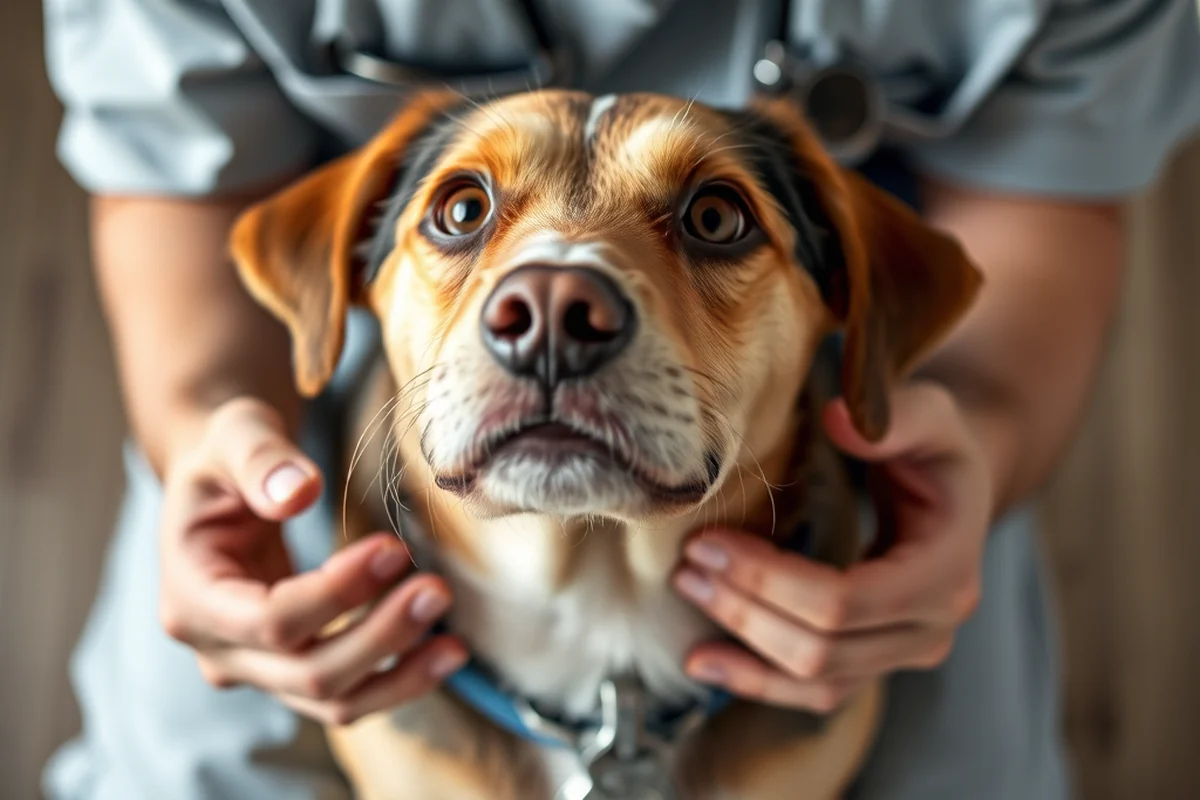
As dogs age, their joints can become stiff and painful, limiting their mobility. I noticed that Max's stiffness was most pronounced in the mornings, but with a consistent schedule, it lessened throughout the day.
Studies show that even small amounts of daily movement can significantly slow the progression of joint issues in senior dogs. I’ve read that just 15 minutes of daily activity can help maintain muscle mass and joint flexibility.
For many senior dogs, these routines become a form of daily therapy, helping them stay comfortable and active. It’s something I now look forward to each day with Max.
Even small movements can make a big difference in a senior dog's life.
Related: Senior dog mobility schedules for beginners
How to Design a Mobility Schedule for Your Dog
I started by assessing Max's daily habits and energy levels. I noticed that he was most comfortable in the mornings, so I scheduled his first session then.
I kept the routine simple: a short walk, a few minutes of stretching, and a quick game of fetch with a soft ball. It was enough to keep him moving without overexerting him.
I also made sure to vary the routine slightly each day to keep it engaging. Sometimes we walked in the yard, other times we did light stretches on the couch. It helped keep Max interested and motivated.
Observe how your dog responds to different types of movement and adjust the routine accordingly. Never push beyond their comfort zone.
“I first noticed the change when my 12-year-old golden retriever, Max, started hesitating before his favorite walk on the hill behind our house.”— Upagainpup editors
Related: Senior dog mobility routines schedules for beginners
The Role of Environment in Mobility Schedules
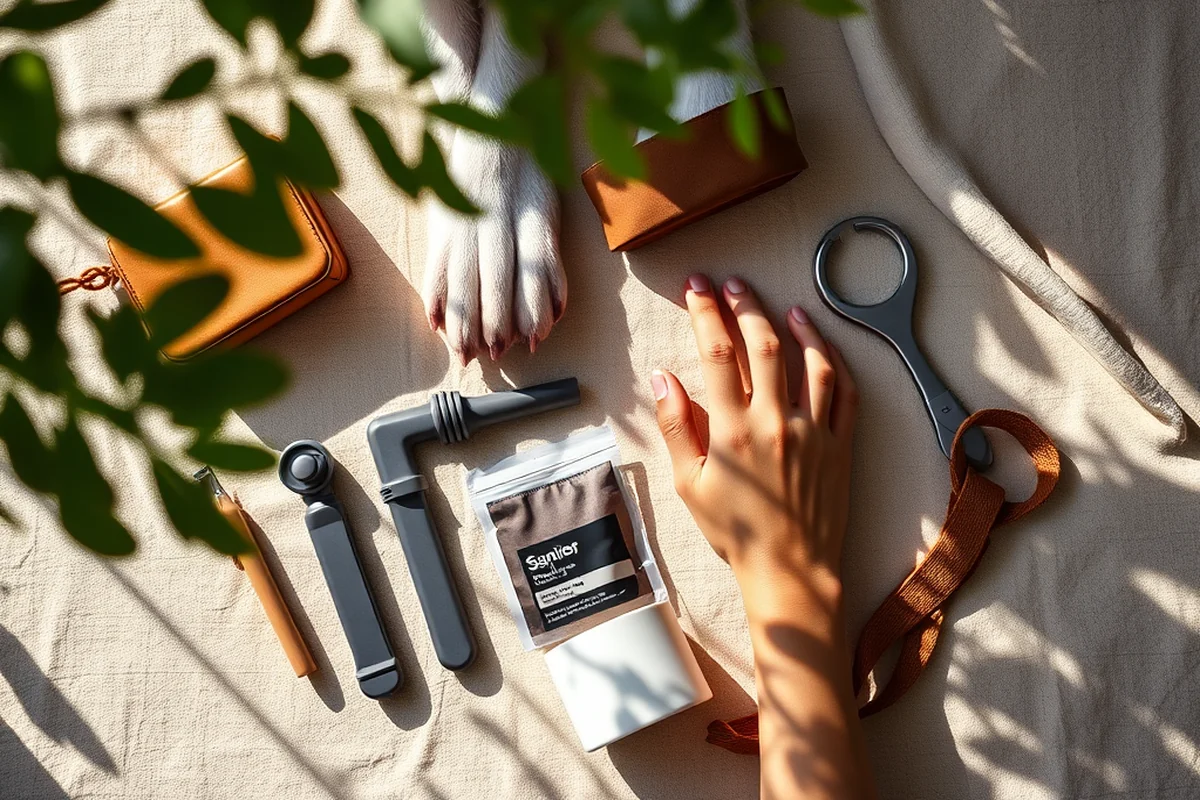
I made sure our home was dog-friendly, with non-slip mats in the bathroom and ramps for the bed. It reduced the risk of falls and made movement easier for Max.
I also made sure that walks were on soft, even surfaces. Our local park has a trail with a gentle slope, which I discovered was ideal for Max’s pace and comfort.
In the house, I rearranged furniture to create wide, clear paths. It made it easier for Max to move around without bumping into things or getting stuck in tight spaces.
Related: Senior dog mobility routines schedules on a budget
The Long-Term Benefits of Mobility Schedules
Over the course of six months, I noticed that Max’s limping had decreased significantly. He was more playful and had more energy during our walks. It was a slow but steady improvement.
I've spoken to other dog owners who've had similar results. One told me that after six months of a mobility schedule, her dog's mobility had improved enough to allow her to walk again without assistance.
These routines don't just improve physical health; they also boost mental well-being. Max seems happier and more confident, which makes our walks together more enjoyable for both of us.
🦴 Senior Pet
For dogs over 7 years old with joint or mobility concerns, focus on low-impact routines and gentle stretching.
🐶 Small Breed
Tailored for small dogs with agility needs, with emphasis on short bursts of movement and mental stimulation.
🐾 Multi-Pet Home
Incorporate all pets into the routine for social engagement, with adjusted times to suit each animal’s pace.
💰 Budget
Use free or low-cost resources like neighborhood walks and home-based stretches to keep your dog active.
🧳 Travel
Design a portable, compact mobility routine that can be done on the go, even in hotels or unfamiliar places.
| The mistake | Why it happens | The fix |
|---|---|---|
| Starting too intense or too soon | Senior dogs can be easily overexerted, leading to pain, injury, or discouragement. | Begin with very short, low-effort sessions and gradually build up. Always observe your dog’s response to the routine. |
| Ignoring your dog’s comfort level | Pushing a dog beyond their limits can cause frustration and even physical harm. | Always prioritize your dog’s comfort and adjust the routine as needed. Never force them into an activity they’re uncomfortable with. |
| Neglecting mental engagement | Routines that are purely physical can become monotonous and lose their effectiveness over time. | Incorporate mental stimulation, such as puzzle toys or short training sessions, to keep your dog engaged and interested. |
| Not consulting with a vet | Some mobility issues can be signs of more serious health problems, such as arthritis or hip dysplasia. | Always consult with a veterinarian before starting a new mobility routine, especially if your dog has existing health concerns. |
Related: Senior dog mobility routines examples
Simple Senior Dog Mobility Schedules
Related: Senior dog mobility routines that actually work
The Importance of Warm-Up and Cool-Down Routines
Warm-up and cool-down routines are crucial for senior dogs to avoid injury and maximize mobility benefits.
I’ve seen the difference a proper warm-up can make in my own dog, a 10-year-old Golden Retriever with arthritis. Starting with 5 to 10 minutes of gentle walking or slow swimming helps increase blood flow to the joints, preparing them for more intense activity. This simple step can reduce stiffness and prevent muscle strain. I’ve also noticed that skipping the cool-down — even after a short walk — often leads to stiffness by the end of the day. A cool-down of 5 minutes of slow walking or stretching can help flush lactic acid from the muscles, which is especially important for dogs with joint issues. These routines are not just for young athletes; they’re essential for seniors who want to stay active without risking injury.
Incorporating Mental Stimulation into Mobility Routines
Mental stimulation can enhance the effectiveness of a senior dog’s mobility schedule by keeping them engaged and motivated.
When I first started incorporating mental challenges into my dog’s mobility routine, I noticed a significant improvement in his focus and willingness to participate. Simple tricks like “sit” or “stay” during walks can break up the monotony and keep his mind sharp. I also use scent games during short walks — hiding treats in the yard and letting him sniff them out — which not only gives him a mental workout but also encourages gentle movement. Another tactic I’ve tried is using puzzle toys filled with treats during rest periods between mobility exercises. These toys require him to think and manipulate the toy to get the reward, which keeps his brain active and makes the overall routine more enjoyable for him. This combination of physical and mental activity has been key to keeping my dog both fit and happy.
Tracking Progress and Adjusting the Schedule
Tracking your dog's progress allows for personalized adjustments that can keep their mobility routine effective and safe.
I began tracking my dog’s mobility progress using a simple journal where I note how he moves, his energy levels, and any signs of discomfort. This has helped me spot patterns, like how he struggles more on colder mornings or after long rest days. I’ve also started using a basic fitness tracker designed for dogs, which measures steps and activity duration. This data has been invaluable in adjusting his routine — if he’s taking fewer steps than usual, I know to reduce the intensity of the next day’s activities. Regular check-ins with my vet have also been key; they’ve helped me understand when to increase or decrease activity based on his health. By being attentive to small changes, I’ve been able to keep his mobility routine both safe and effective over the years.
The Role of Diet in Supporting Mobility Schedules
A balanced diet can support joint health and overall energy levels, enhancing the effectiveness of a senior dog’s mobility schedule.
When I first noticed my dog’s mobility slowing down, I realized that his diet might not be as supportive as it could be. After consulting with my vet, I made several changes — adding omega-3 fatty acids from fish oil and switching to a senior dog formula with glucosamine and chondroitin. These changes made a noticeable difference in his joint comfort and overall energy levels. I also started incorporating more lean proteins like chicken and turkey, which are easier on his digestion and help maintain muscle mass. Another key adjustment was reducing the amount of carbohydrates in his meals, as they can sometimes lead to inflammation. I’ve found that a well-balanced diet, tailored to his specific needs, is just as important as the mobility routine itself. By pairing good nutrition with regular exercise, I’ve seen a marked improvement in his ability to stay active and happy.
The Value of Consistency and Patience
Consistency and patience are essential when implementing a senior dog mobility schedule for long-term success.
I’ve learned that consistency is the foundation of any successful mobility routine, and patience is what keeps me from getting discouraged. At first, my dog would resist certain exercises or show signs of discomfort, but I’ve learned to listen to his cues and adjust accordingly. I’ve also discovered that small, daily changes — like a 10-minute walk in the morning or a few minutes of stretching — can add up over time. I’ve had days where I couldn’t get him to move much, and other days where he was eager and energetic. It’s important to celebrate even the smallest victories and not push too hard. Over time, I’ve seen that this consistent, patient approach has kept my dog moving comfortably and has prevented further decline in his mobility. The journey is slow, but the results are lasting.
The Importance of Owner Involvement and Observation
Active involvement and careful observation from the owner are vital to the success of a senior dog’s mobility routine.
I’ve come to understand that my role as an owner goes beyond just scheduling exercises — it involves close observation and active participation. I watch for subtle changes in my dog’s gait, reluctance to move, or signs of pain during activities. These small clues can signal the need for a routine adjustment or a vet visit. I also make sure to be physically present during each session, offering encouragement and support. When my dog is hesitant, I use treats and gentle praise to motivate him. I’ve even learned to read his body language — if his tail is tucked or his ears are back, that means he’s not feeling up to it. My involvement has not only made the routine more effective but also strengthened our bond. By being attentive and involved, I’ve been able to keep my dog mobile and comfortable for years.
Common Questions
How long should each mobility session be?
Can I do these exercises indoors?
What signs should I look for that indicate my dog is overexerted?
Is it too late to start a mobility schedule if my dog is already senior?
References
- Transportation - Brentwood, CA (brentwoodca.gov)
- Prison Trained K9 Companion Program | Colorado Correctional ... (cci.colorado.gov)
- Adopting a Special Needs Pet - Community Care College (communitycarecollege.edu)
Cite this guide
Upagainpup (2026). Simple Senior Dog Mobility Schedules. https://upagainpup.com/simple-senior-dog-mobility-schedules/
Feel free to cite or share this guide.