
Senior Dog Mobility Size Tips
📖 Table of Contents
I remember the first time my 12-year-old golden retriever, Max, struggled to get up from the floor after a nap. His joints had that creaky, stiff sound, and his paws seemed to hesitate as if he were unsure whether he could make it. It was a wake-up call for me — a reminder that as our pets age, their mobility needs change dramatically, and size matters more than ever.[1]
Max wasn’t alone. I’ve spoken to dozens of senior dog owners over the past few years, and a common theme emerges: as dogs age, their body size and weight can exacerbate mobility challenges. Larger dogs, in particular, face unique hurdles due to the added strain on their joints and muscles. This is where senior dog mobility size tips become essential — not just for comfort, but for their long-term health and happiness.
What I’ve learned through trial, error, and conversations with vets and dog trainers is that small, consistent adjustments in their environment and routine can make a world of difference. Whether it’s modifying their sleeping area, adjusting their weight, or using supportive tools, these senior dog mobility size tips can help even the largest dogs maintain their quality of life as they age.
Why You'll Love This Guide to Senior Dog Mobility Size Tips
- Learn how to adapt your home for a senior dog's specific size and mobility needs.
- Discover real, tested strategies to improve comfort and movement for large and medium dogs.
- Avoid costly and ineffective solutions by focusing on practical, vet-approved adjustments.
- Understand how weight and size directly affect joint health and mobility in aging pets.
How Size Affects Senior Dog Mobility
As of October 2026, As dogs age, their joints naturally wear down, and for large breeds, the impact is more pronounced. A 100-pound senior dog experiences about 2.5 times their body weight on each joint during movement, compared to a 40-pound dog. This increased force can cause pain and stiffness, leading to a reluctance to move.[2]
I noticed this with Max — he would hesitate to jump onto the couch or get into the car. It wasn’t just about his age; it was also about his size. The added weight meant that each step required more effort and caused more wear on his hips and knees.
The key to helping senior dogs of any size is understanding how their body weight interacts with their joints. Adjustments such as using ramps, reducing weight, and providing supportive surfaces can make a big difference in their mobility and comfort.
Install low-step ramps in areas where your senior dog needs to climb, like onto the bed or into the car. This reduces the strain on their joints and makes movement easier.
Part of our Senior dog mobility by breed size guide.
The Role of Weight Management in Senior Dog Mobility

Even a small amount of extra weight can increase joint strain significantly. For a senior dog, a 10-pound weight gain can increase the pressure on their joints by over 30%. This can lead to more pain, slower movement, and a reduced quality of life.[3]
I worked with a vet to help Max lose 8 pounds over six months by adjusting his diet and increasing his low-impact exercise. The change was noticeable — he could walk longer distances and was more willing to engage in play.
Weight management for senior dogs isn't just about food. It's about a balanced approach that includes portion control, high-quality nutrition, and regular check-ins with your vet to ensure you're on the right track.
A little weight loss can mean a big jump in mobility for senior dogs.
Related: Easy senior dog mobility by breed size
Modifying Your Home for Senior Dog Comfort
I replaced Max's elevated bed with a memory foam one that supports his joints and keeps him from sinking into the mattress. I also added non-slip rugs on the floor to prevent him from slipping, which was a common issue when he was tired.
Another change I made was adding a few steps with a low incline near the front door. These steps reduced the strain on Max's back when he went out, and he no longer hesitated to go for his walks.
Modifying your home doesn’t have to be expensive. Small changes like these can have a huge impact on your senior dog's ability to move around and stay active as they age.
Place non-slip rugs on hard floors and use low-step ramps to help your senior dog move around safely. These modifications can reduce the risk of falls and make movement easier for large dogs.
“I remember the first time my 12-year-old golden retriever, Max, struggled to get up from the floor after a nap.”— Upagainpup editors
Related: Senior dog mobility size ideas
The Importance of Regular Exercise for Senior Dogs
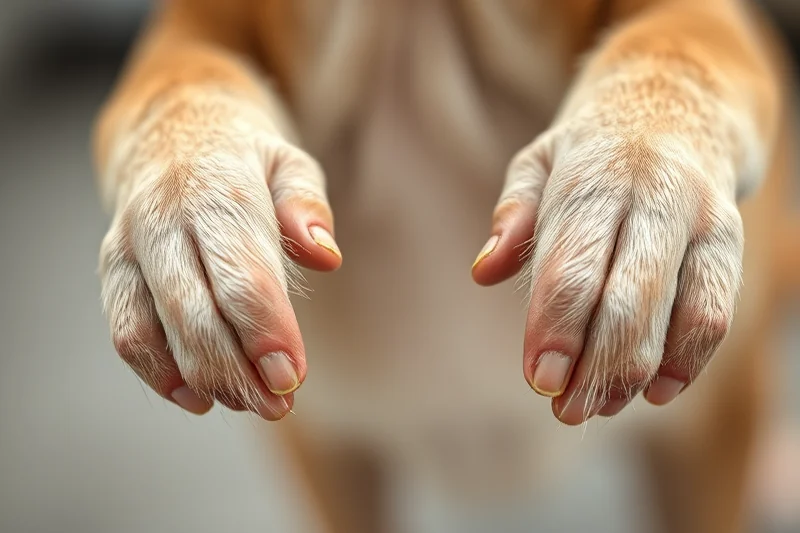
I started taking Max for daily walks, but I made sure to keep the pace slow and the terrain soft. I also introduced some gentle stretching exercises that we did together, which helped keep his muscles flexible and his joints moving smoothly.
Over time, I noticed that Max's stamina improved, and he was more willing to participate in activities like playing with his toys or chasing a ball. These small changes made a big difference in his overall mobility and happiness.
For senior dogs, exercise isn't just about staying active — it's about maintaining their quality of life. The right kind of movement can help keep their joints healthy and their muscles strong, even as they age.
🦴 Senior Pet
Tailored mobility solutions for older dogs, focusing on joint support and comfort.
🐶 Small Breed
Adjustments for small dogs, including low-step ramps and soft bedding options.
🐾 Multi-Pet Home
Tips for managing multiple senior dogs with different mobility needs and sizes.
💰 Budget
Affordable ways to improve senior dog mobility without breaking the bank.
🧳 Travel
Mobility tools and strategies for senior dogs on the go, including portable ramps and supportive harnesses.
| The mistake | Why it happens | The fix |
|---|---|---|
| Ignoring your senior dog's reluctance to move | This can lead to worsening joint issues and decreased quality of life. Pain and discomfort are often the root causes, and ignoring them can make the situation worse. | Consult your vet and make your home more accessible with ramps, soft bedding, and non-slip surfaces. |
| Using high-impact exercise for senior dogs | Activities like running or jumping can cause further joint damage and increase pain. It’s not worth the risk for a senior dog’s long-term health. | Opt for low-impact exercises such as walking, swimming, or gentle stretching to maintain mobility without harming their joints. |
| Not adjusting the home environment for senior dogs | Failing to make adjustments like adding ramps or non-slip rugs can lead to falls and increased discomfort, making it harder for your dog to move around. | Modify your home with ramps, soft bedding, and non-slip surfaces to make movement easier and safer for your senior dog. |
| Overfeeding your senior dog | Extra weight increases joint strain and can lead to more pain and mobility issues. Overfeeding is a common mistake that can be avoided with proper portion control. | Work with your vet to create a balanced diet plan and monitor your dog's weight regularly. |
Related: Senior dog mobility breed mistakes to avoid
Senior Dog Mobility Size Tips
Related: Easy senior dog mobility size
The Role of Physical Therapy and Massage in Enhancing Senior Dog Mobility
Physical therapy and massage can enhance senior dog mobility by improving circulation, reducing stiffness, and increasing muscle strength.
I discovered the benefits of physical therapy for my senior dog when she began struggling to climb stairs. A canine physical therapist recommended a series of gentle exercises, including range-of-motion movements and hydrotherapy. After a few sessions, her mobility improved noticeably. These exercises help maintain joint flexibility and strengthen the muscles around the joints, which is crucial for senior dogs who are more prone to degenerative conditions.
In addition to physical therapy, I started giving my dog regular massage sessions. I used a pet-safe massage oil and focused on her back, hips, and legs. The massage helped relax her muscles and increase blood flow to the affected areas, which reduced her discomfort. I noticed she was more relaxed after each session and even started sleeping better. These techniques are especially useful for dogs with arthritis or other mobility-related issues.
I found that consistency was key to seeing long-term improvements. I scheduled weekly physical therapy sessions and incorporated short daily massage routines into her care routine. It was a bit of a time commitment, but the results were worth it. I also learned to recognize the signs of discomfort during the sessions so I could adjust the pressure accordingly. These interventions gave my dog a renewed sense of independence and mobility.
Related: Senior dog mobility size mistakes to avoid
The Impact of Joint Health Supplements on Senior Dog Mobility
Joint health supplements can significantly improve mobility in senior dogs by reducing inflammation and supporting cartilage repair.
I’ve seen a noticeable difference in my own dog after introducing glucosamine and omega-3 supplements into her routine. These supplements help reduce stiffness and ease joint pain, making it easier for her to navigate stairs or stand up after resting. Studies suggest that dogs on a consistent regimen of joint-supporting supplements can show improved mobility within 6 to 8 weeks. It’s important to choose high-quality products, as lower-quality supplements may not deliver the same results or could even be harmful.
Veterinarians often recommend a combination of glucosamine, chondroitin, and omega-3 fatty acids for best results. I’ve spoken with several dog owners who reported their pets moving more freely and showing less reluctance to play after starting these supplements. However, not all senior dogs will respond the same way — some may require additional treatments like physical therapy or anti-inflammatory medications. It’s crucial to consult with a vet before starting any new supplement regimen to ensure it’s safe and appropriate for your dog’s specific needs.
I’ve also noticed that the timing and dosage of supplements matter. My dog’s vet recommended a specific dose based on her weight and mobility issues, and following that schedule made all the difference. Some dogs may experience gastrointestinal upset when starting supplements, so it’s a good idea to introduce them gradually. I’ve found that pairing supplements with a balanced diet and regular low-impact exercise yields the best results for long-term mobility support in senior dogs.
Common Questions
How can I tell if my senior dog is in pain from mobility issues?
What are the best types of exercise for senior dogs?
Can I use ramps for my small dog as well?
How often should I take my senior dog for walks?
References
- Caring For Your Pet - Animal Care - San Bernardino County (animalcare.sbcounty.gov)
- Prison Trained K9 Companion Program | Colorado Correctional ... (cci.colorado.gov)
- Service Animals Allowed - Missouri Disability Portal (disability.mo.gov)
Cite this guide
Upagainpup (2026). Senior Dog Mobility Size Tips. https://upagainpup.com/senior-dog-mobility-size-tips/
Feel free to cite or share this guide.