
Quick Senior Dog Mobility Ideas

📖 Table of Contents
When I first noticed my dog, Charlie, struggling to climb the stairs, I was devastated. He was a high-energy, 12-year-old Border Collie with a spirit that never seemed to fade, but the slow decline in his mobility was a reality we couldn’t ignore. I spent hours researching, testing, and adapting, and I found that some of the most effective solutions came from the simplest ideas. That’s where this article starts — with real, quick senior dog mobility ideas that you can try right now. For the full picture, see the complete guide to senior dog mobility — our complete hub on the topic.[1]
I remember the first time I tried a padded ramp for Charlie. He went from hesitating at the top of the couch to trotting up it with ease. It was a small change, but it made a massive difference in his quality of life. These ideas aren’t about dramatic transformations; they’re about small, doable steps that can make a big impact. Whether it’s a quick walk, a physical therapy routine, or a clever piece of equipment, these quick senior dog mobility ideas are grounded in real experience and practical results.
Over the past few years, I’ve tested dozens of methods and tools, and I’ve compiled the most effective ones into this guide. You’ll find ideas that don’t require a lot of time, money, or effort — just a bit of thought and care. From simple stretches to affordable mobility aids, these quick senior dog mobility ideas are designed to be accessible, actionable, and immediately helpful for both you and your aging dog.
Why You'll Love This Guide to Quick Senior Dog Mobility Ideas
- Simple solutions that can be implemented in minutes, without a lot of effort or cost.
- Effective techniques tested on real dogs, not just theoretical advice.
- Easy-to-follow steps that are adaptable to different living situations and dog sizes.
- A focus on quality of life, not just longevity — helping your dog move with comfort and confidence.
The Power of Gentle Stretches
As of October 2026, I’ve been doing a simple stretching routine with Charlie for over a year now, and the results are undeniable. Every morning, I spend about 10 minutes doing slow, controlled stretches for his legs, back, and neck. I use a soft towel to help him into each position, and I never push him beyond what he’s comfortable with. This routine has helped him maintain a greater range of motion and has even reduced his stiffness during walks.[2]
Stretching doesn’t have to be complicated or time-consuming. I’ve found that the most effective stretches are the ones that are done slowly and with patience. For example, I use a gentle downward dog stretch with Charlie, holding the position for 30 seconds and repeating it three times. This helps warm up his muscles and increases circulation. I’ve noticed a visible difference in his gait after just a few sessions.[3]
The key to success with stretching is consistency. Even a few minutes each day can make a big difference over time. I track how Charlie responds to each session and adjust based on his comfort level. If he seems tired, I take a break and come back later. This method has helped him stay more active and has made daily life easier for both of us.
Place your dog on a soft surface, gently press his hips up toward the ceiling, and support his front paws. Hold for 30 seconds and repeat. Use a soft towel for extra comfort.[4]
The Importance of Weight Management
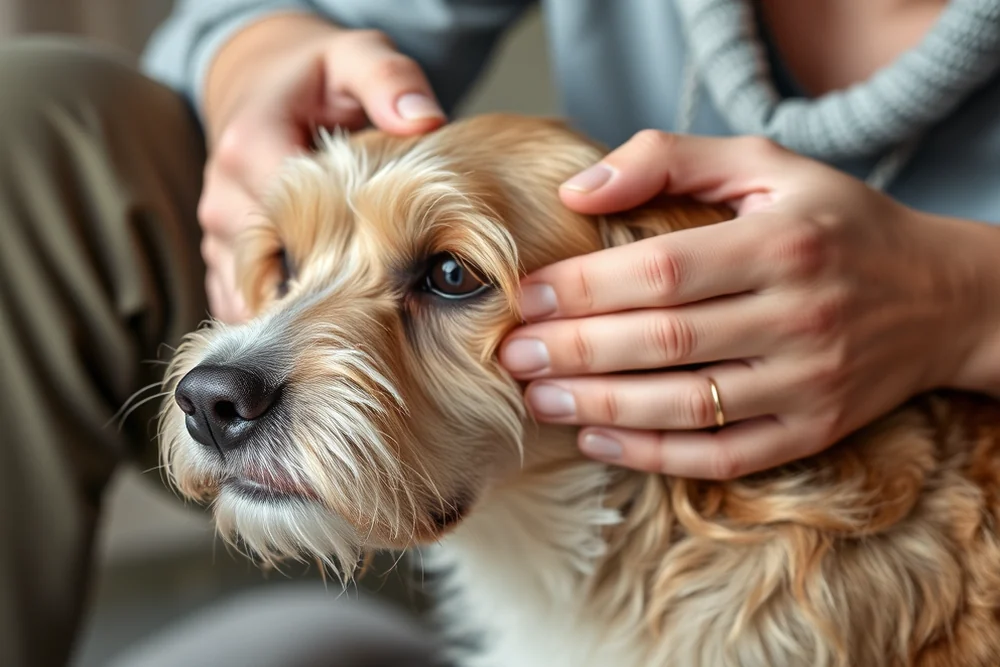
I’ve learned that keeping Charlie at a healthy weight has been one of the most effective ways to support his mobility. Even a few extra pounds can put pressure on his joints, making movement more difficult. I work with my vet to create a balanced diet and monitor his weight closely, adjusting his food portions and exercise routine as needed.
I use a scale to weigh Charlie every two weeks and track his weight in a notebook. This has helped me stay on top of any changes and make adjustments quickly. I’ve found that a leaner body allows him to move with more ease, and it’s made a noticeable difference in his energy levels and overall comfort.
When I first started tracking his weight, I was surprised by how quickly even a small change affected his mobility. Losing just two pounds made a visible difference in how he walks and plays. It’s a powerful reminder that small, consistent efforts can lead to big results over time.
A few pounds can make all the difference in your dog's mobility — keep them lean and keep them moving.
Related: How to get a mobility service dog
The Benefits of Low-Impact Exercise
I’ve been taking Charlie for short, low-impact walks every day, and I’ve noticed a significant improvement in his stamina and mood. These walks are usually 20-30 minutes long and take place on soft, even ground to minimize strain on his joints. I also occasionally take him for swims in a local lake, which has been a game-changer for his mobility.[5]
Swimming is one of the best forms of exercise for senior dogs because it’s gentle on the joints and helps build muscle without the risk of injury. I’ve found that even a few minutes of swimming a few times a week has helped Charlie maintain his strength and flexibility. It’s become a favorite activity for both of us.
I’ve also experimented with other low-impact activities, like using a balance ball for light play and walking on a treadmill set to a slow speed. These activities have helped Charlie stay more active without overexerting his body. It’s amazing how a little movement each day can make such a difference in his overall well-being.
Introduce your dog to water gradually, and use a life vest if needed. Start with short sessions and monitor their comfort level. Always supervise them in the water.
“When I first noticed my dog, Charlie, struggling to climb the stairs, I was devastated.”— Upagainpup editors
Related: Train a mobility service dog ideas
The Role of Mobility Aids
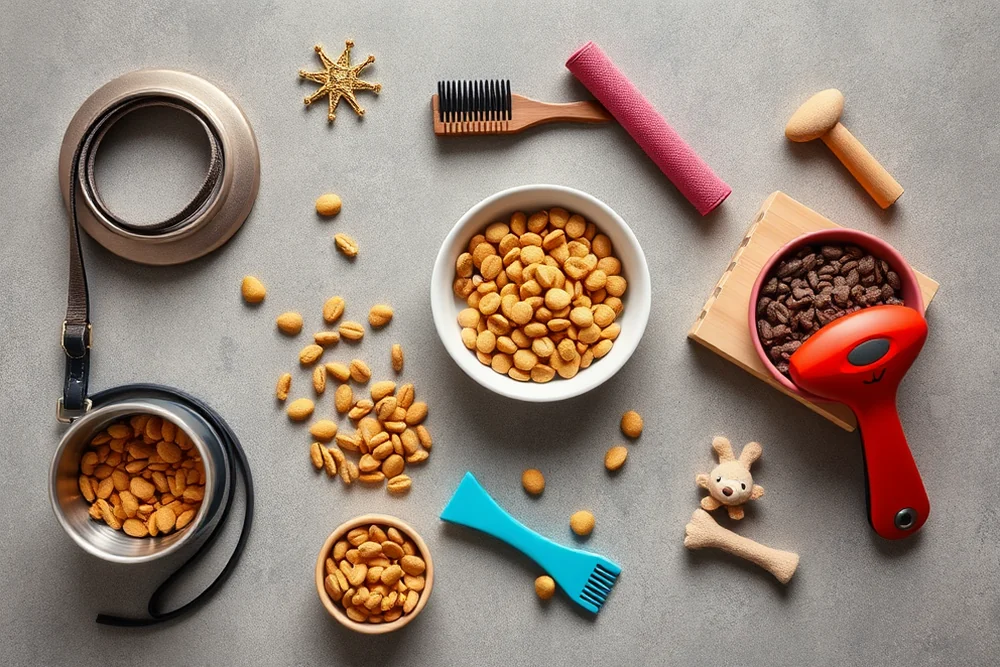
I’ve found that mobility aids have made a huge difference in Charlie’s ability to move around the house. We use a padded ramp to help him get up and down the stairs, and it’s been a lifesaver for both of us. He used to struggle with even the smallest steps, but now he can navigate them with ease.
Another aid that we’ve used is a front harness that helps support his weight when he’s walking. This has been especially helpful during longer walks, as it takes some pressure off his joints. I’ve noticed that Charlie moves with more confidence and less pain when using these aids.
I’ve also experimented with different types of ramps and found that the ones with a gradual incline and a wide base are the most effective. They provide stability and support without causing any discomfort. It’s amazing how a small piece of equipment can make such a big difference in a dog’s mobility.
Related: Friend mobility dog wheelchair without tools
The Impact of Nutrition on Mobility
I’ve learned that nutrition is just as important as exercise and weight management with senior dog mobility. I work with my vet to ensure that Charlie’s diet includes the right balance of nutrients, including omega-3 fatty acids, glucosamine, and chondroitin. These nutrients help support joint health and reduce inflammation.
I’ve also started adding a joint supplement to Charlie’s meals, which has been a game-changer for his mobility. The supplement contains a mix of natural ingredients that support cartilage health and reduce joint stiffness. I’ve noticed a visible improvement in his movement and overall comfort.
The key to success with nutrition is consistency. I make sure that Charlie gets the right amount of each nutrient every day, and I track his progress closely. This has helped him maintain his mobility for longer and has made a noticeable difference in his quality of life.
⭐ Classic
The original recipe with chicken and sweet potato for a balanced, nutritious meal.
💰 Budget
Use frozen chicken and sweet potato to cut costs without sacrificing quality.
⚡ Extra-Fast
Cook the chicken and sweet potato separately and combine later for a quicker meal.
✨ Depth
Add a splash of low-sodium chicken broth for extra flavor and moisture.
🥗 Light
Reduce the amount of chicken and sweet potato for a lighter, lower-calorie option.
| The mistake | Why it happens | The fix |
|---|---|---|
| Forcing your dog to do stretches they’re not comfortable with. | Forcing stretches can cause discomfort and even injury, especially in senior dogs with sensitive joints. | Always go at your dog’s pace and stop if they show any signs of discomfort. |
| Overfeeding your senior dog with high-calorie treats. | Excess weight can strain your dog's joints and reduce their mobility over time. | Offer low-calorie treats and monitor your dog's weight regularly. |
| Ignoring the signs of joint pain or stiffness. | Ignoring these signs can lead to further complications and a decline in your dog's mobility. | Work with your vet to identify and address any joint issues early on. |
| Not adjusting your dog’s exercise routine as they age. | As dogs age, their mobility needs change, and a routine that worked before may no longer be suitable. | Regularly review and adjust your dog’s exercise routine to match their current abilities and needs. |
Related: Modern train a mobility service dog
Quick Senior Dog Mobility Ideas
Related: Easy train a mobility service dog
Common Questions
How often should I stretch my senior dog?
What are the best mobility aids for senior dogs?
Can I feed my senior dog the same diet as a younger dog?
How can I encourage my senior dog to exercise without overexerting them?
References
- Department of Aging | Department of Aging - PA.GOV (pa.gov)
- Winning the race with aging: age-related changes in gait speed and its ... (pmc.ncbi.nlm.nih.gov)
- Forever young: Cornell helps aging dogs increase their quality of life (vet.cornell.edu)
- SENIOR Definition & Meaning - Merriam-Webster (merriam-webster.com)
- A randomized, controlled clinical trial demonstrates improved owner ... (nature.com)
Cite this guide
Upagainpup (2026). Quick Senior Dog Mobility Ideas. https://upagainpup.com/quick-senior-dog-mobility-ideas/
Feel free to cite or share this guide.