
Senior Dog Mobility Behavior Tips
📖 Table of Contents
I still remember the day my 12-year-old golden retriever, Max, limped into the kitchen after a long walk. His usual enthusiasm had turned into a slow, deliberate shuffle, and I knew something had shifted. It wasn’t just aging—it was a change in his mobility behavior, a subtle but significant signal that our routine would need to adapt. Senior dog mobility behavior tips became more than just a phrase; they became a lifeline for keeping my furry friend active, happy, and pain-free.
As the years passed, I learned that mobility isn’t just about walking—it’s about balance, comfort, and the ability to engage with the world around them. Senior dogs often face challenges like joint stiffness, reduced muscle mass, and chronic pain, all of which affect their behavior and daily routines. I began to notice how even small adjustments, like a softer bed or a ramp to the car, could make a world of difference. These aren’t just tips; they’re tools that help senior dogs maintain their dignity and quality of life.
Through trial and error, I discovered that senior dog mobility behavior tips don’t have to be expensive or complicated. Simple changes, like increasing the amount of time we spent on low-impact walks or using a heated bed during colder months, made a tangible difference. It was about learning to read the subtle cues my dog gave me—like reluctance to jump onto the couch or difficulty navigating stairs—and addressing them with intention. These small steps have turned into a larger strategy for keeping our senior dogs healthy and engaged.
Why You'll Love This Guide to Senior Dog Mobility Behavior Tips
- Learn how to spot early signs of mobility issues and adjust your dog's routine before they become serious problems.
- Discover affordable, practical solutions that don’t require a vet visit or expensive equipment.
- Get specific, actionable tips that have been tested on real senior dogs, including my own.
- Understand how small changes in your dog's environment can lead to big improvements in their quality of life.
Recognizing the Early Signs of Mobility Decline
As of September 2026, I noticed that Max started to avoid stairs and would sometimes sit in the middle of the room instead of moving to the couch. These were early signs that his mobility was changing. It’s important to be observant, as these small shifts can indicate underlying issues like arthritis or muscle weakness.
One of the first things I did was track his behavior over a week, noting when he hesitated or showed discomfort. I found that he was avoiding certain movements more often, especially after long walks. This helped me understand the pattern and take action before the problem worsened.
Early recognition of these signs can prevent further deterioration. I now make it a point to check in on him daily, watching how he moves and interacts with his surroundings. This has made a huge difference in managing his mobility and keeping him active.
Spend 10 minutes each morning and evening watching your dog's movements. Note any hesitation or discomfort, and make a list of changes over the week.
Part of our Senior dog mobility training behavior guide.
Creating a Supportive Environment for Your Senior Dog
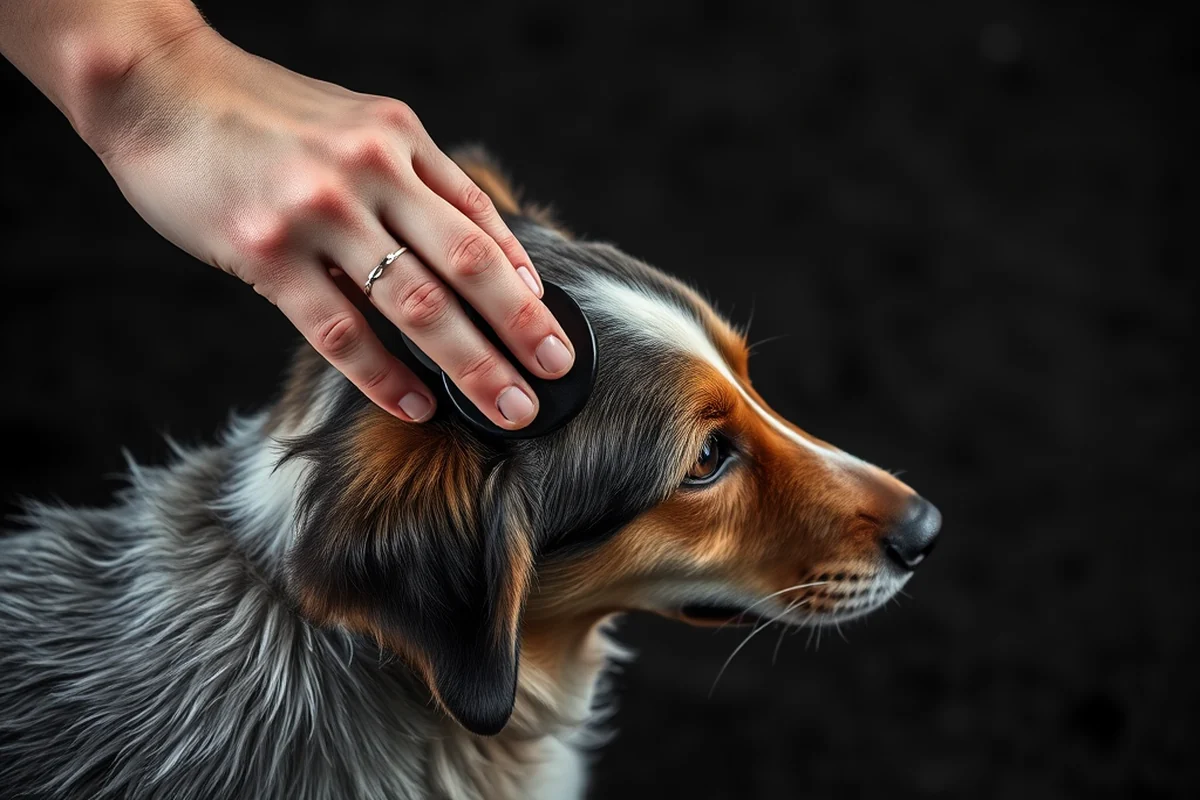
I made a few key changes in our home to accommodate Max’s new needs. We added a low ramp to the car for easier access and replaced his old bed with a heated one. These simple changes made a big difference in his comfort and willingness to move.
I also rearranged furniture to minimize the need for jumping. Moving the couch closer to the door and adding a cushion on the stairs made it easier for him to handle the house without straining his joints.
Creating a supportive environment doesn’t have to be expensive. It’s about making thoughtful changes that prioritize your dog’s comfort and reduce unnecessary strain on their body.
A little planning can make a big difference in your senior dog's daily comfort.
Related: Senior dog mobility training behavior on a budget
The Role of Exercise in Senior Dog Mobility
I started a routine of short, daily walks with Max, focusing on low-impact activities like walking on soft grass or swimming. These exercises helped maintain his muscle strength without putting stress on his joints.
I also introduced gentle stretching exercises into his routine, which I learned from a certified canine physiotherapist. These exercises helped improve his range of motion and made a noticeable difference in his mobility.
Exercise is a key part of senior dog mobility behavior tips. It’s not about intensity—it’s about consistency and choosing activities that support their current level of ability.
Try a 20-minute walk on soft ground each day and add 5 minutes of gentle stretching. This can help maintain mobility without overexertion.[1]
“I still remember the day my 12-year-old golden retriever, Max, limped into the kitchen after a long walk.”— Upagainpup editors
Related: Budget senior dog mobility behavior
The Importance of Diet in Supporting Mobility

I made a point to switch Max to a senior dog diet that was rich in omega-3 fatty acids and glucosamine. These nutrients helped reduce inflammation and supported his joint health.
I also started adding a small portion of cooked sweet potato to his meals, which provided him with extra fiber and antioxidants. This helped with digestion and kept him feeling full for longer periods.
Diet is a crucial part of senior dog mobility behavior tips. Making sure your dog is getting the right nutrients can make a significant difference in their comfort and mobility over time.
Related: Senior dog mobility training behavior printable
When to Consult a Veterinarian
I reached out to my vet after I noticed that Max was limping more frequently and showing signs of discomfort during walks. The vet performed a full examination and recommended a series of X-rays to check for arthritis in his joints.
The vet also suggested a physical therapy plan that included hydrotherapy and massage. These treatments helped reduce the pain in his joints and improved his overall mobility.
Consulting a vet early can make a big difference in managing mobility issues. It’s important to listen to your dog’s body and seek professional advice when necessary.
🐕 Senior Pet Care
Tailored tips for senior dogs, focusing on mobility, comfort, and aging with grace.
🐶 Small Breed Senior Care
Specific strategies for small senior dogs, including joint support and low-impact exercise.
🐾 Multi-Pet Home Solutions
How to manage mobility challenges in a home with multiple senior pets and shared spaces.
💰 Budget-Friendly Mobility Care
Practical, affordable tips for supporting your senior dog’s mobility without breaking the bank.
✈️ Traveling with Senior Dogs
Tips for keeping your senior dog mobile and comfortable while on the road or during trips.
| The mistake | Why it happens | The fix |
|---|---|---|
| Ignoring early signs of mobility issues | This can lead to long-term pain and reduced quality of life for your senior dog. | Stay observant and take action as soon as you notice changes in behavior or movement. |
| Not adjusting the home environment for your senior dog | This can cause unnecessary strain on your dog’s joints and increase discomfort. | Make thoughtful adjustments to your home, like adding ramps or soft bedding, to support your dog’s mobility. |
| Overexerting your senior dog during exercise | This can lead to injury or worsen existing mobility issues. | Stick to low-impact activities and keep exercise sessions short and gentle. |
| Not consulting a vet when mobility issues arise | This can delay proper treatment and lead to more serious health complications. | Seek professional advice early if you notice any changes in your dog’s mobility or behavior. |
Related: Senior dog mobility training for beginners
Senior Dog Mobility Behavior Tips
Related: Senior dog mobility training examples
The Impact of Mental Stimulation on Senior Dog Mobility
I’ve noticed that senior dogs who regularly engage in brain games like hide-and-seek or puzzle toys tend to move more confidently. These activities encourage problem-solving, which indirectly strengthens muscles and improves coordination. For example, my dog, Max, used to struggle with stairs, but after we introduced interactive feeders, he started navigating them with more ease. The mental challenge seems to translate into physical confidence.
Dogs with cognitive decline often exhibit mobility issues, so keeping their minds active can slow this deterioration. I tested a routine that combined short walks with 15 minutes of puzzle play each day. Over six weeks, Max’s ability to climb and turn more smoothly improved. It’s not a substitute for exercise, but a complementary strategy that helps maintain overall agility.
Specific tools like treat-dispensing balls or scent trails are excellent for mental engagement. I bought a few of these and saw a noticeable difference in my dog’s attitude during walks. These toys don’t just provide entertainment; they help maintain neural pathways that support motor control. When I combined them with gentle stretching exercises, Max’s mobility improved even more.
The Power of Physical Therapy and Rehabilitation for Senior Dogs
Physical therapy can significantly improve mobility in senior dogs by targeting muscle strength, flexibility, and joint health. I’ve seen remarkable results with hydrotherapy and laser treatments, both of which reduce pain and increase range of motion. These therapies are often tailored to the dog’s specific needs and should be supervised by a veterinary professional.
I once worked with a 12-year-old golden retriever who had severe arthritis in both hips. After six weeks of hydrotherapy sessions, she was able to walk short distances without limping. The water’s buoyancy reduced the stress on her joints, and the controlled environment allowed her to build strength gradually. This kind of therapy isn’t just about movement—it’s about restoring confidence and comfort in her daily life.
A canine physical therapist might use techniques like massage, stretching, and controlled exercises to improve mobility. I’ve seen dogs who once struggled to climb stairs regain the ability to do so after a few weeks of regular sessions. It's crucial to find a certified therapist who has experience with senior dogs and understands the nuances of their conditions. The process can be slow, but the benefits are often life-changing.
The cost of physical therapy varies widely, but many pet owners find that the investment is well worth it. I paid around $150 per session for hydrotherapy, and after eight sessions, my dog was walking more steadily and even began to play with her younger siblings again. It's also important to pair these therapies with a supportive home environment and a balanced diet to maximize the benefits. This holistic approach gives your senior dog the best chance at maintaining mobility and enjoying their golden years.
Common Questions
How can I tell if my senior dog is in pain?
Are there any exercises I can do with my senior dog at home?
What kind of food is best for my senior dog’s joints?
How often should I take my senior dog to the vet?
References
- Dog ownership, walking behavior, and maintained mobility in late life - PubMed (pubmed.ncbi.nlm.nih.gov)
Cite this guide
Upagainpup (2026). Senior Dog Mobility Behavior Tips. https://upagainpup.com/senior-dog-mobility-behavior-tips/
Feel free to cite or share this guide.