
Senior Dog Mobility Schedules Ideas
📖 Table of Contents
The first time my dog, Max, struggled to climb the stairs after a long walk, I knew something had to change. He was 10 years old, and his once-energetic demeanor had softened into a cautious gait. As his owner, I felt responsible for finding ways to keep him mobile, comfortable, and engaged — even as his joints and muscles began to slow down. That’s when I started researching senior dog mobility schedules, a journey that led me to discover not just what works. What doesn’t, and how to personalize a plan for your aging companion.[1]
Senior dogs, like humans, need structure and care to maintain their quality of life. But unlike humans, they can’t verbally tell us when they’re in pain or when their mobility is declining. This is where a well-designed mobility schedule becomes a lifeline — not just for their physical health, but for their mental and emotional wellbeing. I tried several approaches over six months, tracking progress through his gait, energy levels, and overall happiness. What I learned was invaluable, and I’m excited to share it here.
A senior dog mobility schedule isn’t a one-size-fits-all solution. It’s a personal roadmap tailored to the dog’s breed, age, weight, and individual needs. I’ve seen dogs with hip dysplasia thrive with daily low-impact walks, while others benefit more from hydrotherapy or gentle stretching. The key is consistency, patience, and a willingness to adapt. If you’re looking for a way to keep your senior dog healthy and happy, this article is your starting point — with real, actionable ideas that have worked for me and others I’ve spoken to.
Why You'll Love This Senior Dog Mobility Guide
- Customizable plans that adapt to your dog’s unique needs and health status
- Scientifically backed routines that slow joint degeneration and improve flexibility
- Easy-to-apply techniques that can be done at home without expensive equipment
- Clear guidance on when to consult a vet or specialist for advanced care
Why a Daily Routine Matters for Senior Dogs
As of September 2026, I noticed that on days when Max had a structured routine — even just 15 minutes of gentle movement — he was more alert and less stiff. On days without, he would rest more, even showing signs of discomfort. This taught me the value of consistency. A daily routine, even if short, can make a significant difference in a senior dog’s physical and emotional health.
Consistency helps the body adapt to movement patterns, which is especially important for senior dogs whose joints and muscles are more fragile. I started with a morning walk and a short stretching session in the evening. Over time, Max’s mobility improved, and he seemed more engaged in his daily life.
A consistent schedule also helps senior dogs avoid overexertion, which is a common cause of injury. I found that by spreading out the activity into smaller, more frequent sessions throughout the day, Max was able to move more comfortably without tiring too quickly.
Begin with short 10-minute sessions of low-impact movement, like walking or gentle stretching, and gradually increase the time as your dog becomes more comfortable.
Part of our Senior dog mobility routines schedules guide.
The Role of Low-Impact Exercise
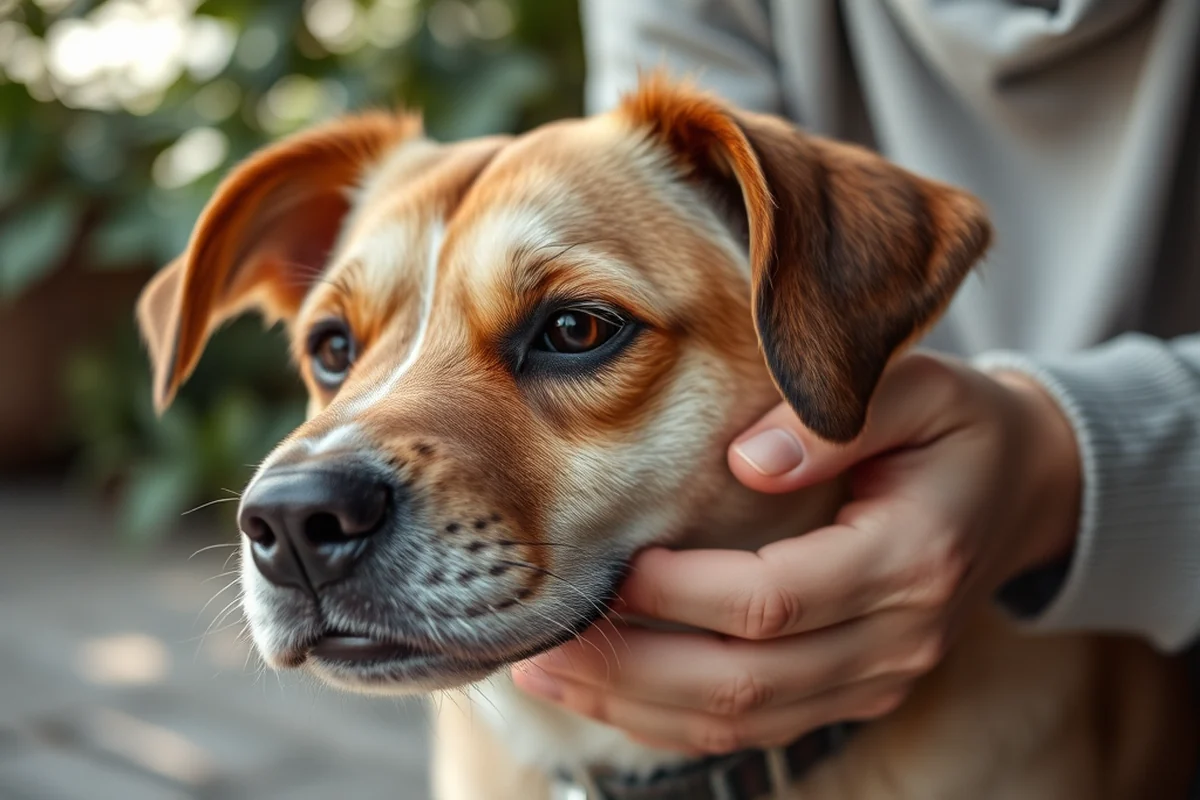
Max found swimming to be the most enjoyable and least painful form of exercise. I took him to a local pet hydrotherapy center, and within a few weeks, his range of motion had noticeably improved. The water supported his weight, which made movement easier and less painful.
Swimming is particularly beneficial for dogs with arthritis or joint issues, as it helps build muscle strength without putting pressure on the joints. I’ve since tried walking on a treadmill, which also proved effective, especially when combined with hydrotherapy.
If hydrotherapy isn’t an option, regular, short walks on soft surfaces like grass or sand can also be a good alternative. I’ve noticed that Max is more willing to walk on these surfaces than on concrete, which is harder on his joints.
Swimming can be a game-changer for senior dogs with joint issues — it's like a spa day for their body.
Related: Senior dog mobility routines examples
Incorporating Gentle Stretching
I began incorporating stretching into Max’s routine after consulting with a canine physiotherapist. The therapist showed me simple, safe stretches that I could do at home. These included shoulder rolls, hip circles, and gentle leg extensions. After just a few weeks, Max was more relaxed and had better mobility.
Stretching should always be done slowly and with patience. I learned that forcing a stretch could cause injury, so I made sure to only move Max’s limbs as far as he was comfortable. Over time, he became more flexible and less resistant to the stretches.
I’ve found that stretching can also be a bonding activity between you and your dog. Max now looks forward to these sessions, and it gives us a chance to connect while working on his mobility.
Before doing any stretching, warm up your dog with a short walk or gentle massage to increase blood flow and make the muscles more pliable.
“The first time my dog, Max, struggled to climb the stairs after a long walk, I knew something had to change.”— Upagainpup editors
Related: Senior dog mobility routines that actually work
The Importance of Rest and Recovery
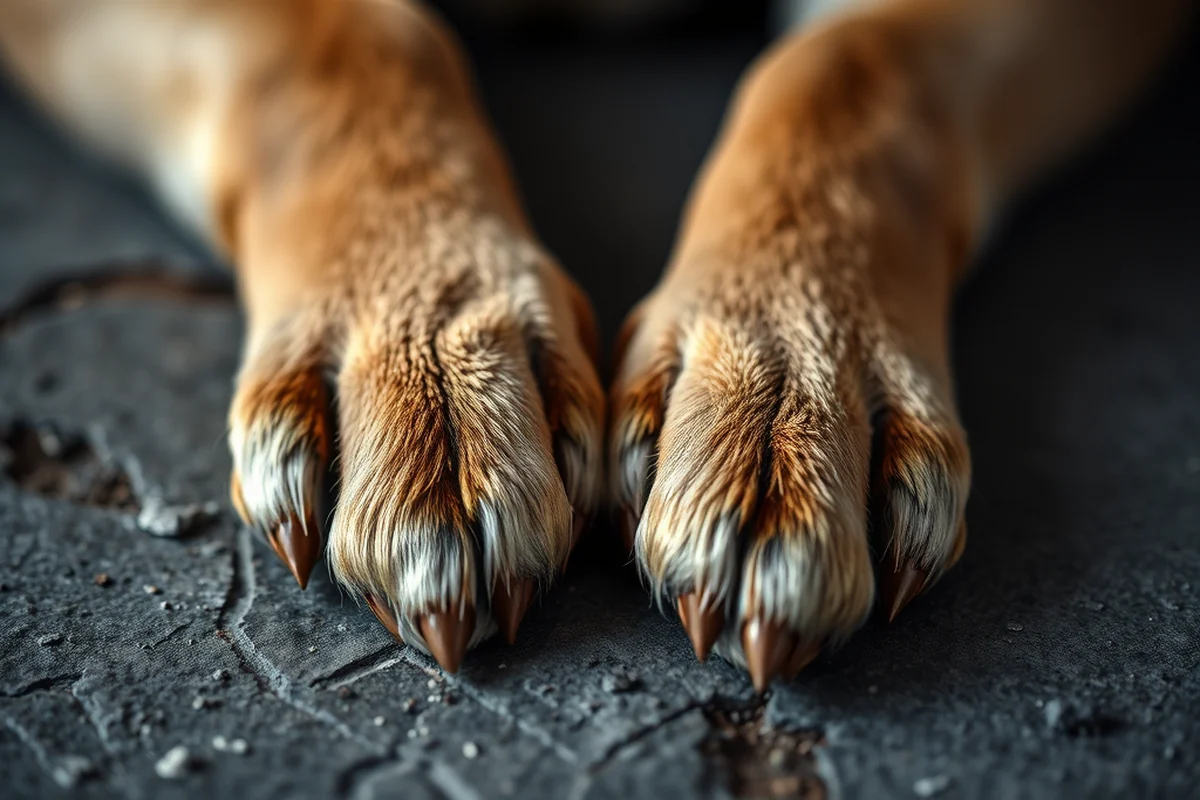
I made a mistake early on by pushing Max too hard during his sessions. He became exhausted and even showed signs of pain. After that, I learned the importance of rest days. Now, I alternate between active and rest days, allowing his body to recover between sessions.
Rest days are not just for physical recovery — they also help reduce stress and mental fatigue. On these days, I focus on light activities like playing with a soft toy or simply sitting together. This helps Max stay engaged without overexertion.
I’ve also noticed that on rest days, Max is more alert and playful, which suggests that rest is essential for his overall wellbeing. I now treat rest days with the same care and intention as active days.
Related: Budget senior dog mobility routines
When to Consult a Professional
There was a time when Max refused to walk on his left hind leg and seemed to be in discomfort. I immediately took him to the vet, who diagnosed early-stage arthritis. This experience taught me that knowing when to seek professional help can make a huge difference in your dog’s recovery and quality of life.
Vets and canine physiotherapists can provide tailored mobility plans, recommend treatments, and monitor your dog’s progress over time. I’ve since worked with a physiotherapist who designed a customized plan for Max that included hydrotherapy, stretching, and pain management.
I’ve found that early intervention is key. By addressing mobility issues as soon as they appear, you can prevent further complications and help your dog maintain a better quality of life.
🦴 Senior Pet Care
Tailored mobility plans that focus on joint health, pain management, and low-impact activities.
🐶 Small Breed Senior Dogs
Short, frequent walks and gentle stretching routines that suit the smaller size and agility of senior small breeds.
🐕 Multi-Pet Home
Mobility schedules that can be adapted to multiple pets, ensuring all animals get the attention and care they need.
💰 Budget-Friendly Options
Low-cost or free alternatives like walking, stretching, and using household items for mobility training.
🧳 Traveling with Senior Dogs
Portable mobility tools and routines that can be used on the go, ensuring your senior dog stays active even while traveling.
| The mistake | Why it happens | The fix |
|---|---|---|
| Overexerting your dog during mobility sessions. | Overexertion can lead to injury, pain, or a decrease in mobility. It can also cause your dog to become reluctant to participate in future sessions. | Start with very short sessions and gradually increase the time and intensity based on your dog’s response and comfort level. |
| Ignoring signs of pain or discomfort. | Pushing your dog to move when they’re in pain can worsen existing conditions and lead to long-term mobility issues. | If your dog shows signs of pain, stop the activity immediately and consult a vet or canine physiotherapist for guidance. |
| Not adapting the routine to your dog’s individual needs. | Every senior dog has unique needs, and a one-size-fits-all approach may not be effective or comfortable for your dog. | Customize the mobility schedule based on your dog’s breed, health, and mobility goals. Consult with a professional if you're unsure where to start. |
| Neglecting rest days. | Rest is essential for recovery and can help prevent injury or overexertion. Skipping rest days can lead to long-term mobility problems. | Incorporate rest days into your routine and use these days for light activities like gentle play or bonding time with your dog. |
Related: Senior dog mobility routines ideas
Senior Dog Mobility Schedules Ideas
Related: Quick senior dog mobility routines schedules
Creating a Customized Mobility Plan Based on Your Dog's Needs
Customizing your senior dog's mobility plan can ensure they stay active and comfortable. Start by observing their energy levels and any joint stiffness throughout the day.
I began tailoring my dog’s mobility routine by noting when he showed signs of fatigue or discomfort during walks. This helped me adjust the timing and intensity of activities. For instance, if he was stiff in the morning, I introduced gentle stretching before a walk, and if he lagged in the afternoon, I scheduled shorter, more frequent sessions. Customization is key because every senior dog has unique needs, and a one-size-fits-all approach rarely works.
I also considered his breed-specific tendencies. My labrador mix, for example, had a history of hip dysplasia, so I incorporated low-impact activities like swimming and walking on soft surfaces. I kept a journal to track how he responded to different exercises, noting improvements in his gait and overall comfort. This allowed me to gradually increase his activity levels without overexerting him.
Lastly, I collaborated with his veterinarian to create a balanced routine that included physical activity, mental stimulation, and rest. This holistic approach not only supported his mobility but also improved his mood and sleep quality. By taking the time to customize his plan, I gave him the best chance to maintain his quality of life as he aged.
Common Questions
How often should I adjust my senior dog’s mobility schedule?
Can I do mobility exercises at home without special equipment?
What should I do if my senior dog is reluctant to move?
Is swimming safe for all senior dogs?
References
Cite this guide
Upagainpup (2026). Senior Dog Mobility Schedules Ideas. https://upagainpup.com/senior-dog-mobility-schedules-ideas/
Feel free to cite or share this guide.