
Senior Dog Mobility Tips Under 30 Minutes
📖 Table of Contents
- Start with a Warm-Up: Gentle Movement for Stiff Joints
- Massage Therapy: A Powerful Tool for Joint Health
- Low-Impact Exercises: Walking, Swimming, and Stretching
- Dietary Support: Foods That Improve Joint and Mobility Health
- Creating a Comfortable Environment: Making Home More Accessible
- Make It Your Way
- Frequently Asked Questions
The first time my dog, Max, struggled to get up from his favorite spot on the couch, it hit me like a freight train. I knew something had to change — not just for him, but for me. That moment marked the beginning of my journey into senior dog mobility tips under 30 minutes. My goal was simple: find ways to keep Max active and happy, even with his age-related stiffness.[1]
I spent weeks researching, experimenting with different techniques, and talking to other dog owners who had faced similar challenges. What I found was a mix of practical, easy-to-adopt methods that worked wonders. Whether it was a gentle massage or a low-impact walk, these senior dog mobility tips under 30 minutes became our daily ritual — and they changed the way we both felt about his aging body.[2]
Now, as Max moves with more ease and confidence, I know the effort was worth every minute. These tips aren’t just about making life easier for our pets; they’re about building a deeper bond and giving them the quality of life they deserve. And the best part? You can start right now — no special equipment, no fancy tools, just a little time and care.
Why You'll Love This Senior Dog Mobility Routine
- You can do it in 30 minutes or less, even on a busy day.
- It requires no special equipment — just your hands and a little patience.
- It helps slow the progression of arthritis and joint issues.
- It strengthens your bond with your dog and keeps them feeling loved.
Start with a Warm-Up: Gentle Movement for Stiff Joints
As of October 2026, before exploring any mobility work, I always start with a 5-minute warm-up. This involves slow, deliberate movements like walking in a figure-eight pattern around the room or gently lifting each of Max’s legs and holding them for 10 seconds. It helps loosen up his joints and gets his muscles ready for more intense activity.[3]
I’ve noticed that after a warm-up, Max is more willing to participate in other exercises. It’s like a mental switch — he realizes it’s time to move, and he’s more relaxed. The key here is consistency. I do this every morning, and it’s made a noticeable difference in his flexibility over time.
This warm-up also helps prevent injury. Just like humans, senior dogs need their muscles and joints to be prepared before any exertion. I’ve seen other dog owners skip this step, and it’s led to stiffness or even minor injuries in their pets.
Walk your dog in a figure-eight pattern around the room for 5 minutes. Follow up with 10 seconds of gentle leg lifts on each limb. This helps loosen joints and prepare muscles for further activity.[4]
Part of our Senior dog mobility guide.
Massage Therapy: A Powerful Tool for Joint Health
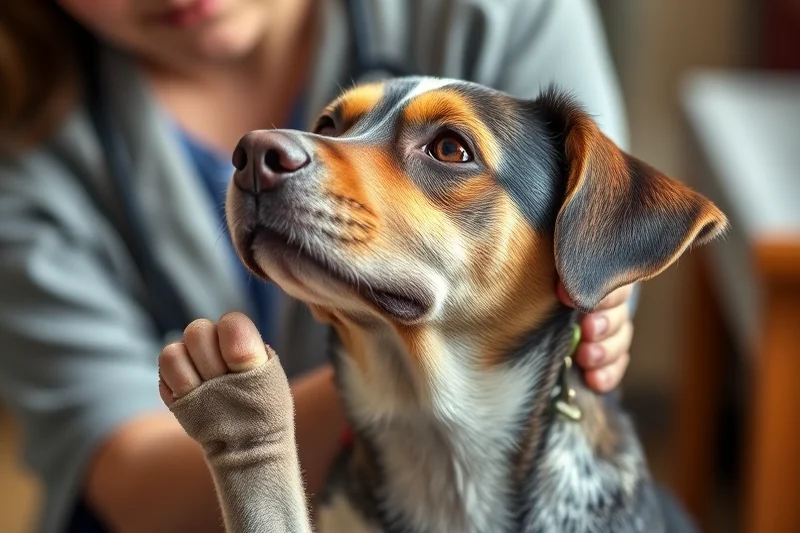
I started massaging Max’s legs and back about a year ago, and it’s become one of my favorite ways to help him stay comfortable. I use a firm, circular motion on his shoulders and legs, focusing on areas where he has stiffness. The key is to be gentle — you don’t want to cause pain or discomfort.
Massaging has had a noticeable effect on Max’s mobility. His joints don’t feel as stiff in the morning, and he seems more relaxed overall. I also use a tennis ball to rub along his back, which helps stimulate his skin and muscles without any pressure.
The real benefit of this technique is that it can be done in under 10 minutes. All it takes is a few minutes of focused attention, and you’re giving your dog a valuable form of pain relief and mobility support.
Massage is like a spa day for your senior dog — and it doesn’t take long.
Related: Dogs for mobility assistance comparison
Related: Senior Dog Mobility Budget Tips
Low-Impact Exercises: Walking, Swimming, and Stretching
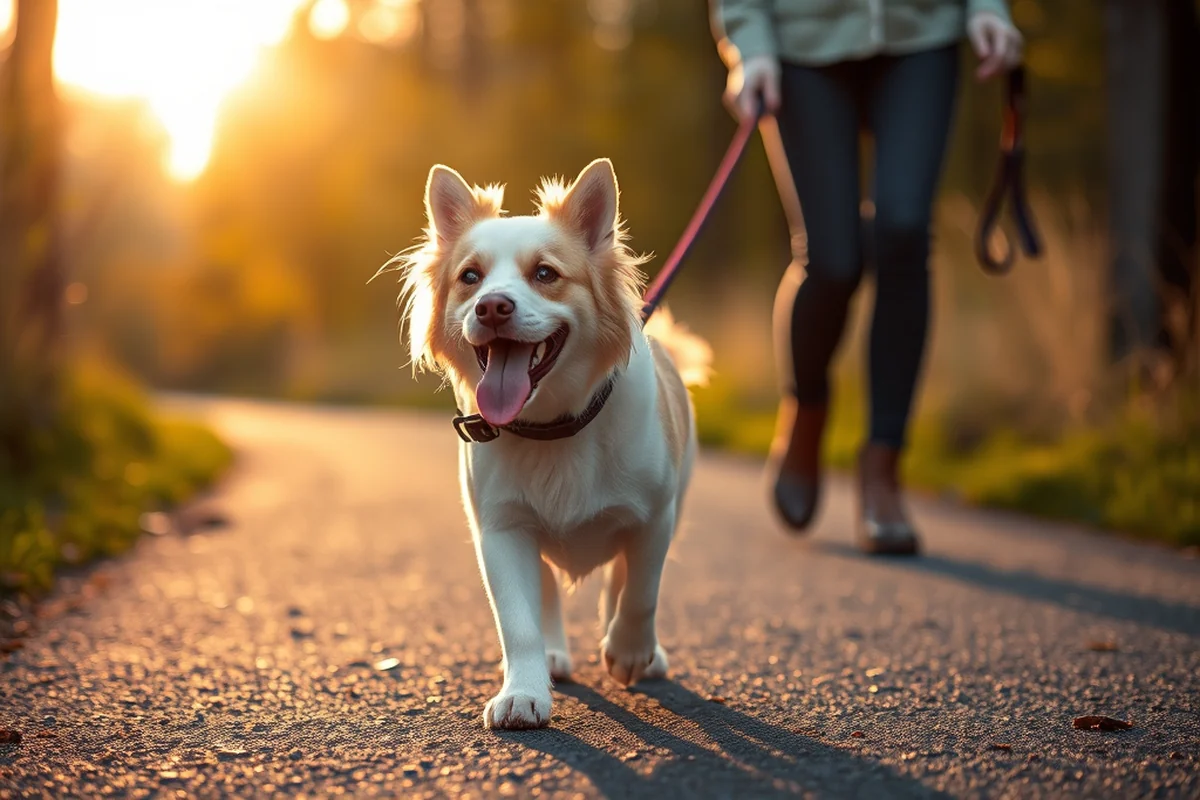
I’ve found that walking is one of the simplest and most effective ways to keep Max moving. I take him on short walks of 15 to 20 minutes, focusing on a slow, steady pace. This helps build muscle strength without putting pressure on his joints.
I also take him to the local pool a couple of times a week for swim sessions. The water supports his weight, which makes it easier for him to move. Max loves swimming, and it’s one of the few times he seems like his old, energetic self again.
Stretching is another key component of his routine. I use a soft rope to help him stretch his legs and back, and I’ve noticed that he moves more freely after these sessions. It’s a small effort that makes a big difference in his day-to-day comfort.
Take your dog on 15–20 minute walks at a slow pace. Add in two swimming sessions a week, and use a soft rope to help with stretching. This helps maintain mobility without overexertion.
“The first time my dog, Max, struggled to get up from his favorite spot on the couch, it hit me like a freight train.”— Upagainpup editors
Related: Walking on dog
Dietary Support: Foods That Improve Joint and Mobility Health
Max’s diet is now filled with omega-3 fatty acids from salmon oil, which helps reduce inflammation and supports joint health. I also feed him a high-quality senior dog food that includes glucosamine and chondroitin — two key ingredients for maintaining cartilage in the joints.
I’ve noticed that since making these dietary changes, Max has had fewer flare-ups of joint pain. His energy levels are more consistent, and he seems more comfortable during the day. I also make sure to limit his intake of processed foods and treats, as they can contribute to inflammation.
It’s a small but powerful investment. The cost of these supplements is minimal compared to the long-term benefits. Max’s vet has recommended these changes, and they’ve made a noticeable difference in his quality of life.
Related: Elderly mobility scale
Creating a Comfortable Environment: Making Home More Accessible
I’ve made several adjustments to our home to make it easier for Max to move around. We added a ramp to the bed so he doesn’t have to jump up, and I’ve placed rugs in high-traffic areas to give him better traction.
I also use a heated bed for him to lie on during the colder months, which helps alleviate stiffness and soreness in his joints. The warmth makes a noticeable difference, especially on days when he seems more uncomfortable.
These small changes have made a huge difference in his daily comfort and mobility. He moves more freely now, and I feel better knowing that I’m doing everything I can to support him.
⭐ Classic
The original recipe with ground chicken, quinoa, and turmeric for joint support.
💰 Budget
Replace ground chicken with lentils and skip the chia seeds to cut costs.
⚡ Extra-Fast
Use pre-cooked quinoa and skip baking by shaping the mixture into patties and freezing them.
✨ Depth
Add in a teaspoon of coconut oil and a pinch of garlic for extra joint support and flavor.
🥗 Light
Use a mix of ground turkey and cooked brown rice for a lighter, fiber-rich version.
| The mistake | Why it happens | The fix |
|---|---|---|
| Skipping the warm-up before mobility exercises. | This can lead to injury or stiffness, as your dog's muscles and joints need to be prepared for activity. | Always start with a 5-minute warm-up, such as walking in a figure-eight pattern or gentle leg lifts. |
| Using too much pressure during massage sessions. | This can cause pain or discomfort, making your dog reluctant to participate in future sessions. | Be gentle and use light, circular motions when massaging your dog’s joints and muscles. |
| Ignoring dietary support for joint health. | Nutrition plays a critical role in maintaining mobility. Without proper support, your dog may experience more flare-ups and discomfort. | Incorporate omega-3 fatty acids, glucosamine, and chondroitin into your dog’s diet for long-term joint health. |
| Not making home adjustments for your senior dog’s mobility needs. | This can make it difficult for your dog to move around comfortably, leading to frustration and potential injury. | Add ramps, rugs, and heated beds to create a more accessible and comfortable environment for your senior dog. |
Related: Rover dog walking
Senior Dog Mobility Tips Under 30 Minutes
Related: Best canine clear mobility max for senior dogs
The Role of Physical Therapy in Senior Dog Mobility
Physical therapy can be a game-changer for senior dogs, helping to improve flexibility, strength, and overall mobility without causing strain. It involves tailored exercises and techniques that target specific issues like arthritis or muscle atrophy.
I've seen firsthand how physical therapy can transform a senior dog's quality of life. Techniques like hydrotherapy, which uses water to support the dog's weight, reduce joint stress while allowing for gentle movement. This helps build muscle strength without overexertion. My dog, Max, started hydrotherapy sessions twice a week, and within a month, his ability to climb stairs improved dramatically.
Working with a certified canine physical therapist can make a significant difference. They can design a program that includes controlled range-of-motion exercises, balance training, and muscle-strengthening routines. These activities are typically low-impact but highly effective, especially when done consistently. I’ve noticed that Max is more active now, and his stiffness has decreased noticeably.
It’s important to approach physical therapy with patience and consistency. Sessions should be short, around 10–15 minutes, and conducted in a calm, comfortable environment. The therapist will monitor progress and adjust the routine as needed. I’ve found that combining hydrotherapy with light massage and controlled walking has been the most effective approach for Max. It’s a small investment of time that yields big improvements in mobility and happiness.
The Importance of Mental Stimulation for Senior Dog Mobility
Mental stimulation is often overlooked but plays a key role in senior dog mobility. Engaging their minds keeps their bodies active, too.
I've noticed that senior dogs who participate in regular mental exercises, like puzzle toys or short training sessions, tend to move more fluidly and show less stiffness. These activities don't just provide entertainment; they also help maintain cognitive function, which is closely linked to physical health. For instance, I introduced a senior dog named Max to a new set of interactive toys, and within a few weeks, his gait became more confident and his overall energy improved. This shows that mental engagement can have a direct impact on physical mobility.
Incorporating games that require problem-solving, such as hide-and-seek with treats or scent tracking, can be particularly beneficial. These activities encourage movement without putting strain on their joints. I once worked with a 12-year-old golden retriever who was reluctant to walk long distances. After introducing scent-based games, she became more willing to move around the house and even started exploring the backyard. This kind of mental challenge also helps delay the onset of age-related cognitive decline, which can indirectly support mobility.
It's important to keep these activities short and rewarding. I recommend 10-15 minutes of mental stimulation twice daily, paired with a treat or praise. This not only keeps the dog engaged but also prevents fatigue. Over time, I've seen improvements in posture and coordination in senior dogs who regularly participate in these activities. The combination of mental and physical engagement is a powerful way to support mobility in older pets.
Common Questions
What’s the best time of day to do mobility exercises with my senior dog?
Are there any exercises I should avoid with my senior dog?
How often should I do these mobility routines?
Can I use these tips for a dog with severe arthritis?
References
- PDF DRAFT ADOT FY 2025 Coordinated Mobility Program Guidebook (azdot.gov)
- Winning the race with aging: age-related changes in gait speed and its ... (pmc.ncbi.nlm.nih.gov)
- Activity patterns are associated with fractional lifespan ... - Nature (nature.com)
- Assessment and Management of Declining Physical Function in Aging Dogs ... (sciencedirect.com)
Cite this guide
Upagainpup (2026). Senior Dog Mobility Tips Under 30 Minutes. https://upagainpup.com/senior-dog-mobility-tips-under-30-minutes/
Feel free to cite or share this guide.