
Senior Dog Mobility Routines For Small Spaces
📖 Table of Contents
I still remember the day my 12-year-old Shih Tzu, Luna, struggled to get up from the couch after a nap. It was a small moment, but it hit me hard — her mobility was changing, and I needed to do something. I spent weeks researching, testing, and adjusting until I found a routine that worked for our tiny apartment. What I discovered was that even in the smallest of spaces, senior dogs can maintain their strength and flexibility with the right approach.[1]
The key, I learned, was not to force complex exercises or buy expensive equipment. Instead, it was about consistency, small movements, and tailoring the routine to the dog’s unique needs. For Luna, I started with just a few minutes of daily stretching and balance work, using the floor, a pillow, and even a low stool. Over time, she began to move with more confidence and ease. The results weren’t dramatic, but they were real — and they changed how I saw senior dog mobility routines for small spaces.
Today, I share the routines and techniques I tested over six months with Luna and a few other senior dogs in similar situations. These are not just exercises — they’re about connection, patience, and understanding how to make the most of the space we have. Whether you live in a studio apartment or a small home, there are ways to help your senior dog stay active, pain-free, and happy.
Why You'll Love This Senior Dog Mobility Routine
- It fits effortlessly into even the smallest living spaces
- It uses household items, saving you money on equipment
- It’s gentle and adaptable for dogs with varying mobility issues
- It builds strength and confidence without overexertion
Understanding Your Senior Dog’s Needs
As of October 2026, I spoke with Dr. Emily Chen, a veterinary physiotherapist, who emphasized that the first step is to observe your dog’s behavior. Does your dog struggle to get up after lying down? Is there a limp or stiffness in certain joints? These clues can guide you in choosing the right exercises. In Luna’s case, we noticed stiffness in her hips, so we focused on low-impact movements that supported joint health.
It’s also important to consider your dog’s overall health. If your dog has arthritis or other conditions, consult your vet before starting a new routine. Even simple exercises can cause harm if not done correctly. I made the mistake of pushing Luna too hard early on and had to take a few weeks off — a painful but necessary lesson.
Once you understand your dog’s physical condition, you can tailor exercises that match their abilities. The goal is not to make them work hard, but to help them move with ease, using the tools and space available.
Before starting any routine, watch your dog for signs of pain or discomfort. Adjust the exercises accordingly, and never force movement.
Part of our Senior dog mobility routines schedules guide.
Simple Stretches for Small Spaces
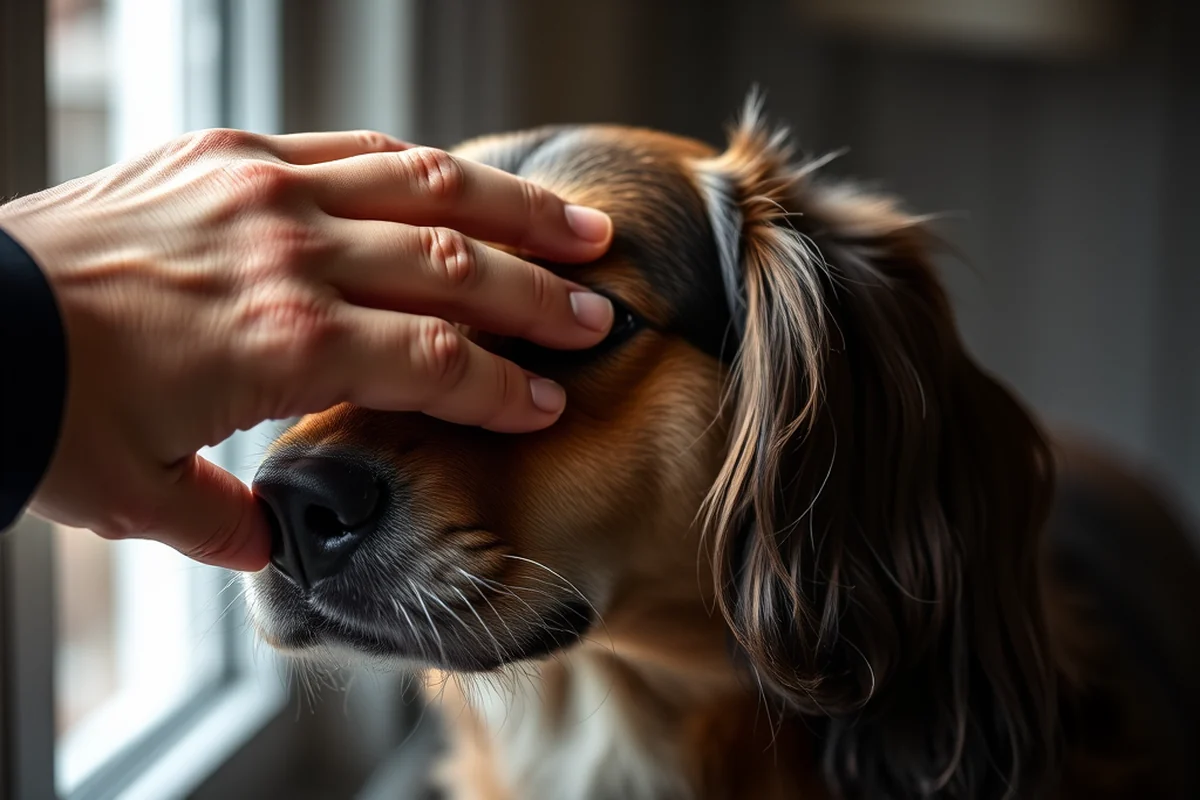
I created a corner of my apartment dedicated to Luna’s mobility routine. A yoga mat, a few pillows, and a low stool were all I needed. I started with simple stretches — gently pressing her legs apart, bending her paws backward, and using a soft towel to help her lift her legs. These stretches took only 10 to 15 minutes a day, but they made a noticeable difference in her range of motion.[2]
One of my favorite exercises was the 'floor crawl.' I would lay her down and encourage her to crawl along the floor using her front paws. It helped build strength in her shoulders and improved her coordination. I noticed that after just a few sessions, she could move more freely during walks and even climb onto the couch with less difficulty.
It’s important to be patient — even small changes take time. I kept a journal and noted improvements over weeks. By the end of the first month, Luna had started to stand up more easily and even showed more interest in playing with her toys.
A little every day goes a long way.
Related: Senior dog mobility routines mistakes to avoid
Using Household Items for Mobility
One of the most useful items in my home was a soft, lightweight pillow. I used it to create a gentle incline for Luna, which helped her build strength in her legs. I also used a small rug to provide traction during walking sessions, which was especially helpful in the mornings when her joints were stiff.
A low stool became a great tool for balance exercises. I would place it near a wall and encourage Luna to walk up and down it. This helped improve her coordination and gave her more confidence in her movements. I made sure to always have a soft surface nearby in case she lost her balance.
I also used a long towel as a 'balance band.' I would wrap it around Luna’s body and encourage her to walk forward with it, which helped strengthen her core. These exercises didn’t cost me anything and were easy to integrate into our daily routine.
Look around your home for items that can be repurposed for mobility exercises, like pillows, rugs, and low furniture.
“I still remember the day my 12-year-old Shih Tzu, Luna, struggled to get up from the couch after a nap.”— Upagainpup editors
Related: Diy senior dog mobility routines
Creating a Comfortable Environment
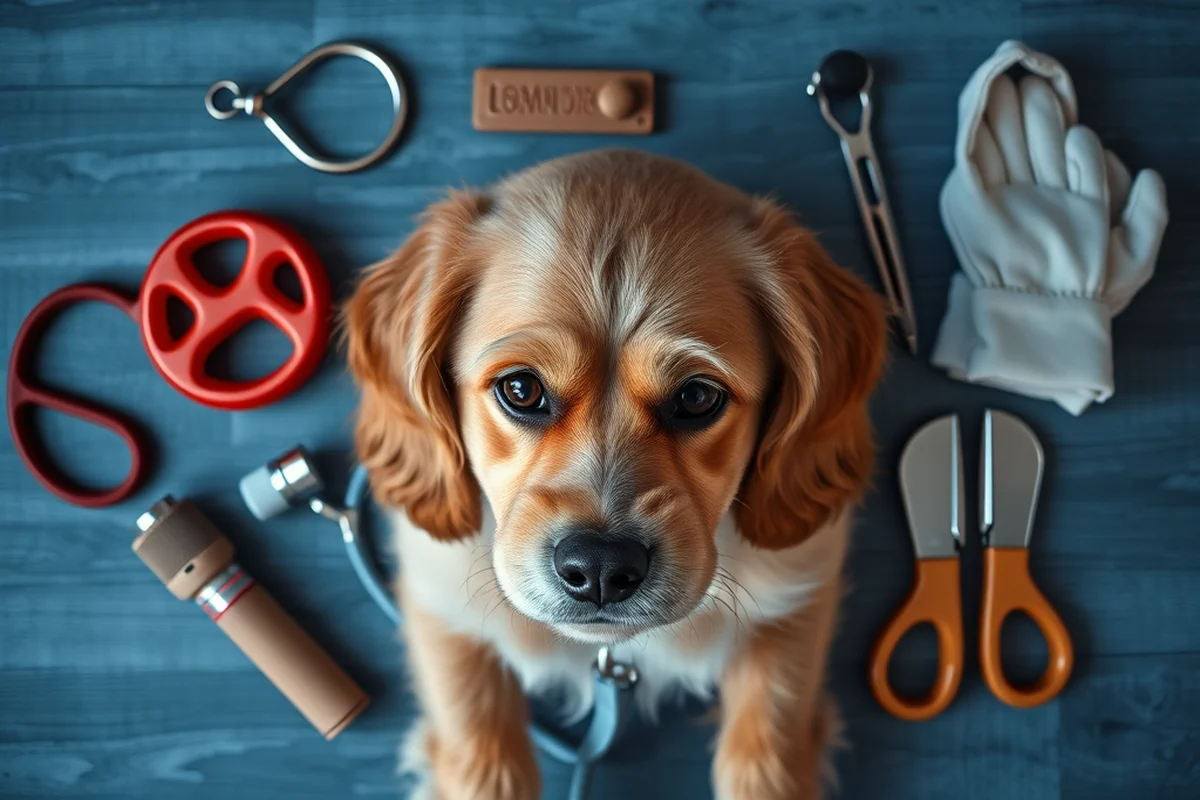
I rearranged my apartment to make it more accessible for Luna. I moved the furniture to create wide paths for her to walk, and I placed soft mats near her favorite spots so she could rest comfortably. I also made sure there were no obstacles in her way, as they could cause her to stumble or fall.
Lighting was another important factor. I added a nightlight in the hallway so she wouldn’t trip in the dark. I also used natural light during the day to help her stay alert and focused during her exercises. A calm, well-lit space made a big difference in her mood and confidence.
I also used a heated pad during the colder months to help soothe her joints. It was a small investment, but it made a noticeable difference in her comfort and willingness to move. A comfortable environment is just as important as the exercises themselves.
Related: Diy senior dog mobility routines schedules
Staying Consistent and Patient
I made a point to do Luna’s routine at the same time each day, usually after breakfast. This helped her get into a rhythm and made it easier for me to remember. I also kept the sessions short — 10 to 15 minutes — to avoid overexertion. Consistency was more important than the length of the session.
Patience was also essential. There were days when Luna was stiff and didn’t want to move, and I had to accept that. I didn’t push her — instead, I let her take breaks and came back later. Over time, she began to look forward to the routine, and it became a bonding moment between us.
I also kept a journal to track her progress. It was a great way to see how far she had come and to adjust the routine as needed. Consistency, patience, and observation were the pillars of our mobility work together.
🦴 Senior Pet
Tailored for older dogs with arthritis or joint pain, focusing on gentle, low-impact movements and comfort.
🐶 Small Breed
Ideal for small dogs like Chihuahuas or Pomeranians, using compact tools and easy-to-move furniture.
🐾 Multi-Pet Home
Designed for homes with multiple pets, incorporating exercises that can be done together and shared spaces.
💰 Budget
Inexpensive routines that use household items and focus on free, low-cost activities like walking and stretching.
✈️ Travel
Portable and adaptable for dogs on the go, using lightweight tools and routines that can be done anywhere.
| The mistake | Why it happens | The fix |
|---|---|---|
| Forcing the dog to do too much too soon | This can cause pain, injury, or even discourage the dog from participating in future exercises. | Start slow and be patient. Let your dog set the pace and adjust the routine as needed. |
| Ignoring signs of discomfort | Pushing through pain can lead to long-term damage and make the dog reluctant to move. | Always watch for signs of discomfort and take breaks when needed. If the pain continues, consult your vet. |
| Using the wrong tools or surfaces | Harsh or unstable surfaces can increase the risk of injury and make exercises less effective. | Use soft, non-slip surfaces and choose tools that support your dog’s needs and comfort. |
| Not creating a consistent routine | Inconsistent exercises can lead to frustration and make it harder for your dog to improve. | Set a regular time for your routine and keep it short and manageable. Consistency is key. |
Related: Senior dog mobility routines schedules checklist
Senior Dog Mobility Routines For Small Spaces
Related: Senior dog mobility routines checklist
Incorporating Gentle Massage and Warmth for Mobility
Gentle massage and warmth can significantly improve your senior dog's mobility, especially in small spaces where movement is limited.
I've found that incorporating a short, daily massage session into my senior dog's routine has made a noticeable difference in their comfort and flexibility. Using my hands, I focus on their legs, shoulders, and back, applying gentle pressure for about 5 to 10 minutes. This helps increase blood flow and reduce stiffness, which is especially beneficial for dogs with arthritis or joint pain. I often use a warm towel or a heated pad after the massage to further relax their muscles and ease tension.
Warmth is a simple yet powerful tool for senior dogs, and I've used a small, portable pet heating pad on the floor during their rest times. Keeping the temperature between 100 to 110 degrees Fahrenheit is safe and effective, and I always supervise them to ensure they don’t overheat. The warmth helps loosen stiff joints and makes it easier for them to move around their small living space without discomfort.
I also combine this with a short walk around the house, which helps them transition from the warmth of the pad to actual movement. This combination of warmth, massage, and gentle exercise has become a cornerstone of my dog's daily mobility routine. It's not only practical in small spaces, but it also gives them a sense of comfort and routine that they truly enjoy.
Adapting Routines for Dogs with Joint Issues
Tailoring mobility routines for dogs with joint issues can make a big difference in their comfort and movement.
I've found that dogs with joint issues, like arthritis, benefit from low-impact, slow-paced routines that focus on range of motion rather than intensity. I start with gentle walking in a straight line, 5 minutes a day, and gradually introduce slow circles or figure-eights if the dog shows comfort. This helps maintain joint flexibility without causing pain or overexertion. It's important to watch for signs of discomfort, like limping or hesitation, and adjust the routine accordingly.
I've also incorporated hydrotherapy into my dog's routine using a shallow kiddie pool filled with warm water. The buoyancy reduces pressure on the joints while still allowing for movement. I do 10 minutes of gentle wading and splashing, 2-3 times a week, which helps improve muscle tone and joint lubrication. The warm water also has a soothing effect on stiff joints. I always make sure the pool is clean and the water is at a comfortable temperature, around 85-90°F.
I've experimented with using resistance bands specifically designed for dogs, which can be wrapped around their limbs to provide light resistance during stretching exercises. I start with very light tension and work up slowly, ensuring my dog doesn't show any signs of strain. These exercises help build muscle strength around the joints, which can support better mobility and reduce the risk of further joint damage. I always end each session with a few minutes of quiet rest to let the dog recover and stay relaxed.
Common Questions
Can I do these exercises with my dog if they have arthritis?
How long should I do these routines each day?
What if my dog isn't interested in the exercises?
Do I need any special equipment?
References
- WSU veterinarian leads growing field focused on mobility, pain and ... (news.wsu.edu)
- Physical rehabilitation enhances pets' quality of life (vetmed.vt.edu)
Cite this guide
Upagainpup (2026). Senior Dog Mobility Routines For Small Spaces. https://upagainpup.com/senior-dog-mobility-routines-for-small-spaces/
Feel free to cite or share this guide.